One Damaged Tooth Can Cause Headaches, Bad Breath, and Eating Problems
Introduction
Many people ignore a damaged tooth, especially when the pain seems manageable or comes and goes. A chipped tooth, deep cavity, cracked tooth, or untreated infection may not appear serious at first. However, even a single damaged tooth can affect far more than your smile.
A damaged tooth can trigger persistent headaches, cause unpleasant mouth odor, create difficulty while eating, and increase the risk of serious oral health complications. What begins as a minor dental issue can gradually impact your comfort, nutrition, confidence, and overall well-being.
The good news is that modern dental treatments can often restore damaged teeth and prevent further complications. Understanding the warning signs can help you seek treatment before the problem becomes more severe.
Why a Damaged Tooth Should Never Be Ignored
A damaged tooth is more than a cosmetic concern. When the protective outer layers of the tooth are compromised, bacteria can enter deeper structures, leading to infection and inflammation.
Common forms of tooth damage include:
- Tooth decay
- Cracked teeth
- Chipped teeth
- Broken teeth
- Worn enamel
- Untreated cavities
Without proper treatment, these conditions may worsen and affect surrounding teeth, gums, and even the jawbone.
Can a Damaged Tooth Cause Headaches?
The Answer Is Yes
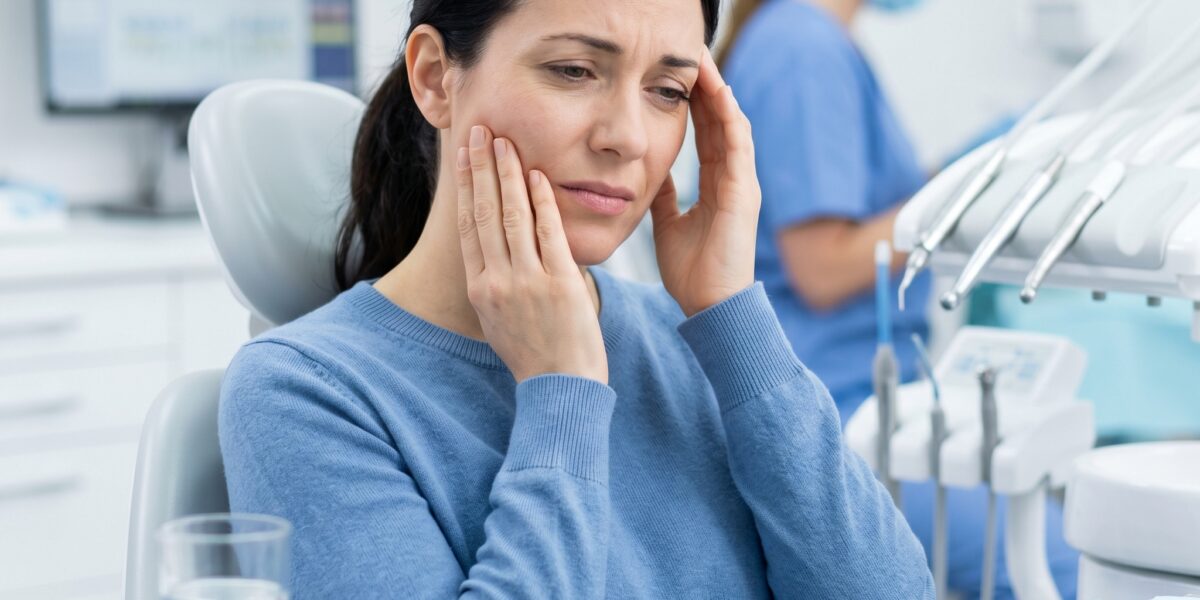
Many people are surprised to learn that a damaged tooth can cause headaches.
Dental problems can place stress on surrounding nerves, muscles, and jaw joints. When inflammation develops inside the tooth or nearby tissues, pain signals can radiate to other areas of the head.
How Tooth Problems Trigger Headaches
A damaged tooth may contribute to:
- Tension headaches
- Facial pain
- Jaw discomfort
- Ear pain
- Pressure around the temples
- Migraine-like symptoms
The pain may seem unrelated to the tooth itself, causing some individuals to seek treatment for headaches while the actual source remains undiagnosed.
Signs Your Headache May Be Tooth-Related
Watch for symptoms such as:
- Headaches accompanied by tooth sensitivity
- Pain while chewing
- Jaw stiffness
- Facial swelling
- Persistent toothache
A dental examination can help determine whether an underlying tooth problem is contributing to recurring headaches.
Can a Bad Tooth Cause Bad Breath?
One Damaged Tooth Can Affect Your Entire Mouth
Bad breath is one of the most common yet overlooked symptoms of dental disease.
When a damaged tooth develops decay or infection, bacteria multiply within the affected area. These bacteria release sulfur compounds and other substances that create unpleasant odors.
Common Bad Breath Causes Related to Damaged Teeth
- Deep cavities
- Tooth infections
- Food trapped inside broken teeth
- Gum disease around the affected tooth
- Tooth abscesses
Even individuals who brush regularly may continue to experience bad breath if an untreated damaged tooth remains present.
When Bad Breath Signals a Dental Problem
Persistent bad breath should not be ignored, especially if accompanied by:
- Tooth pain
- Gum swelling
- Sensitivity to hot or cold foods
- A bad taste in the mouth
- Visible tooth damage
These symptoms may indicate an underlying infection requiring prompt treatment.
How a Damaged Tooth Can Create Eating Problems
Why Does Chewing Become Difficult?
Healthy teeth work together to break down food efficiently. When one tooth becomes damaged, chewing can become painful and uncomfortable.
Many people begin avoiding certain foods to prevent discomfort.
Common Eating Problems Caused by a Damaged Tooth
- Pain while biting
- Difficulty chewing hard foods
- Sensitivity to hot and cold foods
- Avoidance of nutritious foods
- Uneven chewing patterns
Over time, these habits may affect nutrition and digestive health.
Can Tooth Damage Affect Overall Health?
Yes.
Poor chewing can make it harder to consume a balanced diet. Nutritional deficiencies may develop when individuals avoid fruits, vegetables, nuts, and other healthy foods because of dental discomfort.
Signs of Tooth Infection
One of the most serious consequences of a damaged tooth is infection.
What Happens When Infection Reaches the Tooth Nerve?
When bacteria enter the inner portion of the tooth, inflammation develops around the nerve and blood vessels.
Common tooth infection symptoms include:
- Severe toothache
- Facial swelling
- Sensitivity to temperature
- Pain while chewing
- Persistent bad breath
- Swollen gums
- Fever in severe cases
Prompt treatment is important to prevent the infection from spreading.
What Happens If a Damaged Tooth Is Left Untreated?
Many patients postpone treatment because symptoms appear mild initially.
Unfortunately, untreated dental damage often worsens over time.
Possible complications include:
Increased Pain
Minor sensitivity can progress into severe toothache.
Infection Spread
Bacteria may spread into surrounding tissues and bone.
Tooth Loss
Extensive damage may eventually require extraction.
Gum Disease
Plaque accumulation around damaged teeth increases the risk of gum infections.
More Expensive Treatment
Early intervention is usually simpler and less costly than treating advanced dental problems.
Best Treatment for a Broken Tooth
Treatment depends on the severity and location of the damage.
Dental Fillings
Small cavities and minor damage can often be repaired using tooth-colored fillings.
Dental Crowns
A dental crown treatment may be recommended when significant tooth structure has been lost.
Benefits include:
- Strengthening the tooth
- Restoring appearance
- Improving chewing ability
- Protecting against further damage
Root Canal Treatment
If infection reaches the inner pulp, root canal treatment may save the tooth while eliminating infection and pain.
Tooth Extraction
In cases where a tooth cannot be restored, extraction may be necessary followed by replacement options.
How to Prevent Tooth Damage
Prevention remains the most effective strategy for maintaining long-term oral health.
Good Oral Hygiene
- Brush twice daily
- Floss regularly
- Use fluoride toothpaste
Routine Dental Checkups
Regular examinations help detect problems before they become serious.
Avoid Harmful Habits
Reduce:
- Chewing ice
- Nail biting
- Using teeth as tools
Address Symptoms Early
Prompt treatment of cavities and minor damage can prevent major complications.
When Should You See a Dentist?
Many people wait until pain becomes severe before seeking care.
Schedule a dental evaluation if you experience:
- Persistent tooth pain
- Sensitivity that lasts several days
- Bad breath that does not improve
- Difficulty chewing
- Swollen gums
- Visible cracks or damage
Early treatment can often preserve the natural tooth and prevent more extensive procedures.
Conclusion
A single damaged tooth can do much more than cause occasional discomfort. It may contribute to headaches, persistent bad breath, difficulty eating, infection, and declining oral health.
The longer treatment is delayed, the greater the risk of complications. Recognizing the early warning signs and seeking professional dental care can help protect your teeth, relieve symptoms, and maintain overall health.
Modern dental treatments provide effective solutions for restoring damaged teeth and improving both comfort and quality of life.
Frequently Asked Questions
Can a damaged tooth cause headaches?
Yes. Dental infections, nerve irritation, and jaw strain caused by a damaged tooth can contribute to recurring headaches and facial pain.
Can a bad tooth cause bad breath?
Yes. Bacteria inside a damaged or infected tooth are a common cause of persistent bad breath.
What happens if a damaged tooth is left untreated?
Untreated damage can lead to infection, worsening pain, gum disease, tooth loss, and more complex treatment requirements.
What is the best treatment for a broken tooth?
Treatment may include fillings, dental crowns, root canal treatment, or extraction depending on the extent of damage.
When should I see a dentist for tooth pain?
You should seek professional evaluation if pain persists, worsens, affects eating, or is accompanied by swelling or bad breath.
Get Direction
Aneja Bhogal Multispeciality Hospital & Aneja Wellness Center
Contact no:- +91-9812591077,+91-8901523993
Website:- https://anejahospitals.com/