Common Causes of Hair Fall and When to Consult a Specialist
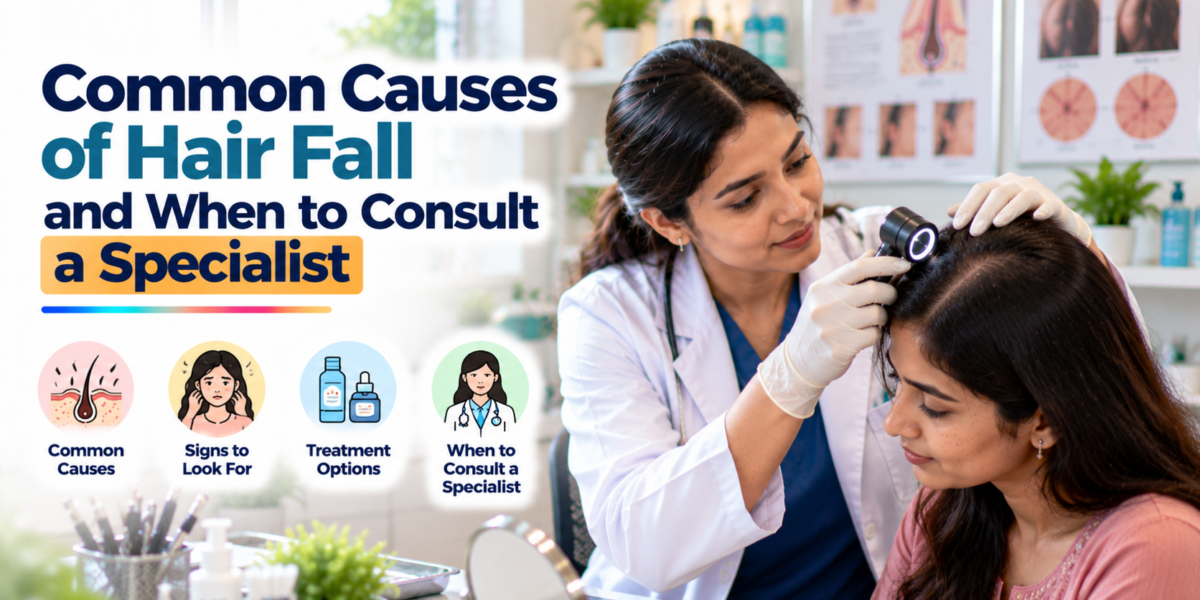
Hair fall is a common concern among men and women and can occur due to several reasons, including stress, nutritional deficiencies, hormonal changes, genetics, scalp conditions, and certain medications. While losing some hair every day is normal, persistent or excessive hair shedding may indicate an underlying condition that needs medical attention.
Understanding the common causes of hair loss can help you identify when to seek professional advice. With an appropriate diagnosis, a dermatologist can recommend a suitable hair fall treatment based on your symptoms, medical history, and scalp condition.
For individuals looking for a hair fall specialist in Sonipat, understanding the warning signs and available treatment approaches is an important first step towards better hair and scalp health.
What Is Normal Hair Fall?
Hair grows in a natural cycle consisting of growth, transition, and resting phases. At the end of this cycle, individual strands fall out and are replaced by new hair.
Losing approximately 50–100 hairs per day is often considered normal, although the amount varies between individuals and depends on factors such as hair length, washing frequency, and grooming habits.
Hair fall may become a concern when you notice:
- More hair than usual on your pillow, clothing, or bathroom floor.
- Increased shedding while washing or brushing your hair.
- A widening parting or a visibly thinner ponytail.
- Receding hairlines or gradual thinning around the crown.
- Bald patches or sudden loss of hair in specific areas.
- Scalp itching, redness, scaling, or discomfort alongside hair loss.
These symptoms do not always indicate a serious medical problem. However, persistent, sudden, or patchy hair loss should be evaluated by a qualified dermatologist.
What Are the Common Causes of Hair Loss?
Hair loss can develop gradually or occur suddenly, depending on the underlying cause. Identifying the reason is essential because different conditions require different approaches to treatment.
1. Genetic Hair Loss
Genetic hair loss, also known as androgenetic alopecia, is one of the most common causes of persistent hair thinning.
In men, it often appears as a receding hairline or thinning around the crown. In women, it may cause gradual thinning across the scalp, particularly around the central parting.
Genetic hair loss usually develops over time and may run in families. Early assessment can help determine whether treatment may slow progression or improve hair density.
2. Stress and Excessive Hair Shedding
Physical or emotional stress can disrupt the normal hair growth cycle. Significant stress, severe illness, surgery, major life events, or rapid weight loss may trigger a condition called telogen effluvium.
This condition often causes increased hair shedding several weeks to a few months after the triggering event.
In many cases, hair growth improves once the underlying trigger is addressed. However, prolonged shedding should be assessed to rule out other causes, such as nutritional deficiencies, thyroid disorders, or ongoing illness.
3. Nutritional Deficiencies
Hair follicles require adequate nutrition to support normal growth. Low iron stores, inadequate protein intake, and certain vitamin or mineral deficiencies may contribute to hair loss in susceptible individuals.
People following restrictive diets, experiencing significant weight changes, or having conditions that affect nutrient absorption may be at increased risk.
A dermatologist may recommend blood tests when your history or examination suggests a deficiency. Supplements should generally be taken when a deficiency or other clinical indication has been identified, rather than assuming that every case of hair fall is caused by a lack of vitamins.
4. Hormonal Changes and Medical Conditions
Hormonal changes can influence the hair growth cycle. Pregnancy and the months following childbirth, menopause, thyroid disorders, and certain hormonal conditions may contribute to hair thinning or shedding.
For example, some women with polycystic ovary syndrome (PCOS) may experience scalp hair thinning alongside acne, irregular menstrual periods, or increased facial hair.
Treatment depends on the underlying cause. A specialist may recommend appropriate investigations or coordinate care with another medical professional when necessary.
5. Scalp Infections and Skin Conditions
The scalp can be affected by fungal infections, inflammatory skin conditions, and disorders that damage hair follicles.
Possible warning signs include:
- Itching, redness, or persistent scaling.
- Tenderness or burning of the scalp.
- Broken hairs or circular patches of hair loss.
- Pus-filled bumps or crusting.
- Smooth, shiny areas where hair no longer grows.
Certain inflammatory conditions can cause permanent hair loss if the follicles are damaged. Prompt medical assessment is particularly important when hair loss occurs alongside pain, inflammation, or scarring.
6. Medications and Medical Treatments
Some medications and medical treatments can cause hair shedding as a side effect. Examples include certain chemotherapy medicines and selected drugs used for other health conditions.
If hair fall begins after starting a new medicine or changing a dose, discuss the timing with your doctor. Do not stop prescribed medication without medical advice.
Your doctor can assess whether the medicine may be contributing to the problem and discuss appropriate alternatives when clinically suitable.
7. Tight Hairstyles and Hair Damage
Repeated pulling on hair from tight ponytails, braids, buns, extensions, or similar hairstyles may cause traction alopecia.
Excessive heat styling, chemical treatments, rough brushing, and frequent bleaching can also damage the hair shaft, leading to breakage that may be mistaken for hair loss from the roots.
Reducing tension, limiting harsh treatments, and handling wet hair gently can help prevent avoidable damage. Early attention is important because prolonged traction may permanently damage follicles.
8. Autoimmune Hair Loss
Alopecia areata is an autoimmune condition in which the immune system attacks hair follicles. It often causes round or oval patches of hair loss, although more extensive patterns can occur.
Some people may also notice changes in their fingernails. The condition can develop suddenly and may affect the scalp or other hair-bearing areas.
A dermatologist can assess the pattern of hair loss and discuss treatment options based on the extent of involvement and individual circumstances.
When Should You Consult a Hair Fall Specialist?
Not every episode of hair shedding requires urgent treatment, but certain symptoms should not be ignored.
Consider consulting a dermatologist if:
- Hair fall continues for several weeks or becomes progressively worse.
- You notice a widening parting, receding hairline, or visible scalp.
- Hair loss occurs in sudden patches.
- Your scalp becomes painful, inflamed, itchy, or unusually scaly.
- Hair loss begins after an illness, childbirth, major weight change, or a medication change.
- You experience hair loss alongside fatigue, unexplained weight changes, or other new symptoms.
- You have tried home remedies without improvement.
Seek prompt medical assessment for rapidly developing hair loss accompanied by significant scalp inflammation, pain, pus, or signs of scarring. Early diagnosis may help prevent further damage in certain conditions.
How Is Hair Fall Diagnosed?
An effective hair fall treatment plan begins with identifying the underlying cause rather than treating every case in the same way.
Medical History and Scalp Examination
A dermatologist may ask when the shedding began, whether it was sudden or gradual, and whether you have experienced recent illness, stress, childbirth, weight changes, dietary restrictions, or medication changes.
The examination may include assessing the scalp, hair density, distribution of thinning, and the condition of individual hair strands.
Blood Tests When Necessary
Blood tests are not required for every patient. Depending on your history and examination, a doctor may consider tests for iron deficiency, thyroid dysfunction, or other suspected medical or nutritional problems.
Testing should be guided by clinical findings rather than a routine assumption that everyone with hair loss needs an extensive panel.
Additional Investigations
A dermatologist may use a magnifying instrument to examine the scalp and hair follicles. In selected cases, a scalp biopsy or other investigations may be necessary, particularly when the diagnosis is unclear or a scarring hair disorder is suspected.
The purpose of these assessments is to distinguish between temporary shedding, hereditary thinning, hair-shaft damage, and conditions that require targeted treatment.
What Hair Fall Treatment Options Are Available?
The right hair fall treatment depends on the diagnosis, severity, age, medical history, and individual needs.
1. Treating the Underlying Cause
When hair shedding is linked to a nutritional deficiency, thyroid disorder, scalp infection, or another medical condition, treating the underlying problem is an important part of management.
Hair recovery may take several months because follicles need time to return to a normal growth cycle.
2. Medicines for Hereditary Hair Loss
Certain medicines may help manage androgenetic alopecia.
Topical minoxidil is commonly used for selected patients with hereditary hair loss. Results vary, and continued use is generally needed to maintain benefits.
Finasteride may be an option for selected men following medical assessment. It has potential side effects and is not appropriate for everyone. Its use requires particular caution around pregnancy because of risks to a developing male fetus.
A dermatologist can explain the benefits, limitations, contraindications, and expected timeline of any recommended medicine.
3. Treatment for Alopecia Areata
Treatment for alopecia areata depends on the extent and location of hair loss. Options may include corticosteroid treatments or other specialist-directed therapies.
Some patients experience spontaneous regrowth, while others may have recurring episodes. A dermatologist can explain the likely course and appropriate management options.
4. Nutritional Support
A balanced diet containing adequate protein, iron-rich foods, and a variety of essential nutrients supports normal hair health.
If a deficiency is confirmed, targeted supplementation may be recommended. Taking excessive amounts of certain nutrients can be harmful and may itself contribute to health problems or hair loss.
5. Scalp Care and Hair Protection
Gentle hair care can reduce breakage and help maintain scalp health.
Useful habits include avoiding consistently tight hairstyles, reducing excessive heat exposure, following appropriate scalp hygiene, and using products suited to your hair and scalp.
These measures can help prevent damage but may not reverse genetic hair loss or treat an underlying inflammatory condition.
6. Specialist-Directed Procedures
Some patients may be suitable for selected procedures, including hair transplantation for certain forms of permanent hair loss.
Suitability depends on the diagnosis, stability of the condition, donor hair availability, overall health, and realistic expectations. Not every patient needs a procedure, and outcomes vary.
Discuss the evidence, limitations, risks, and alternatives with a qualified specialist before making a decision.
How Long Does Hair Fall Treatment Take to Work?
Hair treatment rarely produces immediate results. Hair follicles follow a natural growth cycle, and visible improvement generally takes time.
Some patients with temporary shedding begin to notice improvement within a few months after the trigger has resolved. Treatments for hereditary hair loss may require several months of consistent use before their effects can be assessed.
The timeline depends on the diagnosis, severity, adherence to treatment, and individual response. Follow-up appointments can help your dermatologist evaluate progress and adjust the treatment plan when needed.
Be cautious of products or procedures promising guaranteed regrowth within a few days or weeks.
How Can You Reduce the Risk of Excessive Hair Shedding?
Although not all hair loss is preventable, several everyday habits can support healthy hair and reduce avoidable damage.
- Eat a balanced diet with sufficient protein and a variety of nutrient-rich foods.
- Avoid crash diets and rapid, unplanned weight loss.
- Choose hairstyles that do not pull tightly on the roots.
- Limit repeated chemical processing and excessive heat styling.
- Seek medical advice for persistent scalp irritation or scaling.
- Avoid taking high-dose supplements without a clear indication.
- Address ongoing health concerns with an appropriate medical professional.
- Seek assessment when shedding is persistent, sudden, or associated with other symptoms.
These measures support hair health but cannot prevent every form of genetic, autoimmune, or medically related hair loss.
Finding a Hair Fall Specialist in Sonipat
If you are experiencing persistent shedding or noticeable thinning, a consultation with a qualified dermatologist can help establish the cause and guide appropriate treatment.
Patients searching for a hair fall specialist in Sonipat or hair loss treatment in Sonipat should look for a specialist who takes a detailed history, examines the scalp, explains the diagnosis, and recommends evidence-based options suited to their needs.
At Aneja Hospitals, please confirm the availability of dermatology consultations and relevant hair and scalp services directly with the hospital before making an appointment. The appropriate specialist and treatment options depend on the patient’s clinical needs.
If hair fall is affecting your confidence or daily life, consider arranging a medical assessment rather than relying exclusively on unverified home remedies or over-the-counter products.
Frequently Asked Questions About Hair Fall Treatment
What is the most common cause of hair fall?
Genetic hair loss and temporary excessive shedding are common causes. Stress, illness, nutritional deficiencies, hormonal changes, medications, and scalp conditions may also contribute. The cause varies from person to person.
When should I see a dermatologist for hair fall?
Consult a dermatologist if hair loss persists, progresses, causes visible thinning, appears in patches, or occurs alongside scalp pain, redness, scaling, or other symptoms. Sudden or rapidly worsening hair loss deserves prompt assessment.
Can hair fall be reversed?
Some forms of hair loss, such as temporary shedding after a trigger, may improve once the underlying cause is addressed. Genetic hair loss may respond to treatment, but results vary. Hair loss associated with permanent follicle damage may not be reversible.
Which doctor should I consult for excessive hair shedding?
A qualified dermatologist is an appropriate specialist for evaluating excessive hair shedding, scalp disorders, and many forms of hair loss. The dermatologist may recommend further tests or coordinate care when another medical condition is suspected.
Is hair fall treatment different for men and women?
Yes. Treatment depends on the cause and may differ according to hormonal factors, medical history, pregnancy considerations, and the pattern of hair loss. A treatment suitable for one person may not be appropriate for another.
Do vitamin supplements stop hair fall?
Supplements may help when a relevant nutritional deficiency exists. They are not a universal solution for hair loss, and excessive supplementation can be harmful. A clinician can determine whether testing or supplementation is appropriate.
How long does hair fall treatment take to show results?
The timeline varies. Temporary shedding may improve over several months after the trigger resolves, while hereditary hair loss treatments may require several months of consistent use. Your dermatologist can advise when to assess progress.
Can stress cause hair loss?
Yes. Significant physical or emotional stress can trigger telogen effluvium, a form of temporary excessive shedding. Hair loss may become noticeable weeks or months after the stressful event.
Where can I find hair loss treatment in Sonipat?
If you are seeking hair loss treatment in Sonipat, consult a qualified dermatologist who can examine your scalp, assess potential causes, and recommend an appropriate plan. Contact Aneja Hospitals directly to confirm the availability of relevant specialist services and appointment arrangements.
Conclusion
Hair fall can result from a wide range of factors, from temporary stress-related shedding to genetic hair loss, nutritional deficiencies, hormonal changes, and scalp disorders. Identifying the cause is the most important step towards choosing an appropriate treatment.
If you are experiencing persistent shedding, sudden bald patches, or visible thinning, a dermatologist can help assess your symptoms and explain suitable management options.
For patients considering specialist care in Sonipat and nearby areas, an informed consultation can be a useful first step towards protecting scalp health and making realistic decisions about hair fall treatment.
Medical note: This article is for general educational purposes and does not replace an individual medical consultation. Diagnosis and treatment should be based on a qualified healthcare professional’s assessment.