Skin Allergy: Common Triggers, Symptoms and Treatment Options
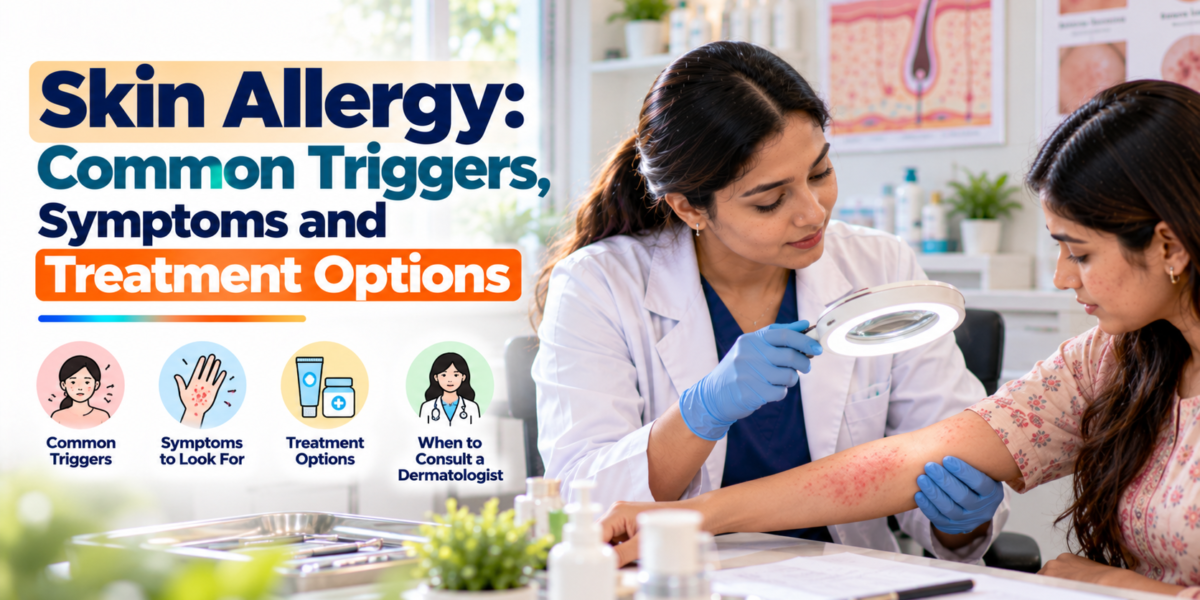
Skin allergies can cause persistent itching, redness, swelling, rashes, and discomfort that affect everyday life. Understanding the possible triggers and choosing the right skin allergy treatment can help manage symptoms and reduce recurring flare-ups. Whether you live in Sonipat, Model Town, Sector 14, Kundli, Murthal, or nearby areas, recognising when to seek professional care is an important step towards healthier skin.
A skin rash does not always mean you have an allergy. Eczema, fungal infections, irritant reactions, and other skin conditions can cause similar symptoms. Identifying the underlying cause is essential for selecting appropriate treatment.
In this guide, we explain common skin allergy triggers, symptoms to watch for, available treatment options, and when to consult a dermatologist in Sonipat.
What Is a Skin Allergy?
A skin allergy occurs when the immune system reacts to a substance that is usually harmless. Depending on the type of reaction, the skin may become itchy, inflamed, swollen, dry, or covered with raised bumps.
Common allergic and allergy-related skin conditions include:
- Allergic contact dermatitis: An itchy rash caused by contact with substances such as nickel, fragrances, or certain cosmetic ingredients.
- Hives (urticaria): Raised, itchy welts that can appear suddenly and change location.
- Eczema: A condition associated with dry, itchy, inflamed skin. Atopic eczema is not simply an allergy, although allergic factors can contribute in some people.
- Reactions to skincare products: Certain ingredients in creams, soaps, hair dyes, and cosmetics can trigger allergic reactions or irritation.
Because different skin conditions can look alike, a medical assessment may be needed when symptoms persist, worsen, or repeatedly return.
What Are the Common Skin Allergy Triggers?
Understanding your potential triggers can help you avoid repeated exposure and discuss useful details with a healthcare professional.
1. Can Soaps, Cosmetics, and Skincare Products Cause Skin Allergies?
Yes. Fragrances, preservatives, hair dyes, cosmetics, and other personal-care ingredients can cause allergic contact dermatitis in susceptible individuals. Strong cleansers and detergents may also irritate the skin without causing a true allergy.
Possible warning signs include itching, redness, dryness, burning, or a rash that appears where a product touches the skin.
If a new product appears to trigger a reaction, stop using it and avoid applying additional products to the affected area. Seek medical advice if the reaction is significant or does not improve.
2. Can Jewellery and Clothing Cause an Allergic Skin Rash?
Yes. Nickel found in some earrings, necklaces, watches, belt buckles, and clothing fasteners is a recognised trigger of allergic contact dermatitis.
Certain rubber components, textile dyes, and clothing-related chemicals can also cause skin reactions.
If a rash repeatedly develops beneath a watch, around the ears, or near a belt buckle, the location may help a dermatologist identify the possible cause.
3. Can Heat, Sweat, and Weather Worsen Skin Allergies?
Heat and sweating can aggravate itching and some inflammatory skin conditions. Hot weather, friction, and tight clothing may also worsen irritation.
However, not every heat-related rash is an allergy. Heat rash, eczema flare-ups, and other skin conditions may produce similar symptoms.
To reduce irritation, wear breathable clothing, avoid excessive heat where possible, and wash gently after heavy sweating.
4. Can Dust, Pollen, Food, or Medicines Trigger Skin Reactions?
Certain foods, medicines, insect stings, and environmental allergens can trigger allergic reactions in some individuals. Hives may occur as part of an allergic reaction, while other rashes may be unrelated to allergy.
The timing of symptoms and other accompanying signs can help a healthcare professional assess the cause.
Do not eliminate entire food groups or stop prescribed medicines without appropriate medical advice. If a new medicine is followed by a widespread or severe rash, seek prompt medical assessment.
5. Can Detergents and Workplace Chemicals Cause Skin Irritation?
Yes. Repeated exposure to cleaning products, industrial chemicals, solvents, and detergents can irritate the skin or trigger allergic contact dermatitis.
This may be particularly relevant to people working in manufacturing, cleaning, construction, and other occupations involving frequent chemical exposure.
Protective equipment appropriate to the substance, safe handling procedures, and avoiding direct skin contact may help reduce exposure. If symptoms recur at work, discuss the pattern with a healthcare professional.
What Are the Common Symptoms of a Skin Allergy?
Skin allergy symptoms vary depending on the trigger, the affected area, and the type of reaction.
Common symptoms include:
- Itching that may be mild or intense.
- Redness or changes in skin colour.
- Raised bumps, welts, or patches.
- Swelling around the affected area.
- Dry, flaky, or cracked skin.
- Burning or stinging sensations.
- Small blisters or fluid-filled bumps.
- Recurrent rashes after contact with a particular substance.
On darker skin tones, inflammation may appear purple, grey, dark brown, or as a change in the skin’s usual colour rather than obvious redness.
Why Does an Allergic Skin Rash Cause Itching?
Itching can occur when inflammation activates sensory nerves in the skin. Allergic reactions, eczema, and other inflammatory conditions may cause this response.
Scratching can further damage the skin barrier and increase irritation. Repeated scratching may also raise the risk of secondary infection.
A cool compress, gentle skincare, and avoiding suspected triggers may provide temporary relief. Persistent itching should be assessed to determine its cause.
How Can You Tell Whether a Rash Is a Skin Allergy?
An allergic rash may appear after exposure to a particular substance, such as jewellery, cosmetics, or certain chemicals. However, timing and appearance alone cannot reliably confirm an allergy.
Fungal infections, scabies, eczema, and other conditions may produce similar symptoms.
A dermatologist can examine the rash, review your medical history, and recommend further testing when necessary. Patch testing may be useful when allergic contact dermatitis is suspected.
What Is the Best Skin Allergy Treatment?
The best skin allergy treatment depends on the underlying cause, symptom severity, affected body area, and individual medical history. A treatment suitable for one rash may be ineffective or harmful for another.
1. Avoid the Trigger
Identifying and avoiding the responsible substance is an important part of managing allergic contact dermatitis.
Consider keeping a simple record of:
- New skincare products or cosmetics.
- Soaps, detergents, and cleaning products.
- Jewellery and clothing materials.
- Workplace exposures.
- Foods or medicines associated with a suspected reaction.
A symptom diary may help reveal patterns. Avoid deliberately re-exposing yourself to a suspected allergen if the previous reaction was significant.
2. Use Gentle Skincare and Moisturisers
A gentle skincare routine can help reduce dryness and support the skin barrier.
Helpful measures may include:
- Using a mild, fragrance-free cleanser.
- Applying a suitable fragrance-free moisturiser.
- Taking lukewarm rather than very hot showers.
- Avoiding harsh scrubs and excessive washing.
- Wearing soft, breathable clothing.
- Applying a clean, cool compress to itchy areas.
These measures may help with mild irritation but cannot treat every cause of a rash.
3. Use Medicines Only When Appropriate
Depending on the diagnosis, a healthcare professional may recommend:
- Topical corticosteroids: For certain inflammatory skin conditions, with the appropriate strength and duration.
- Antihistamines: For some forms of hives and allergy-related itching.
- Other prescription treatments: When symptoms are persistent, severe, or require condition-specific management.
- Treatment for an alternative diagnosis: For example, a fungal infection requires a different approach from allergic contact dermatitis.
Avoid using steroid creams without appropriate guidance, especially on the face, skin folds, or a rash that could be caused by an infection. Incorrect or prolonged use can cause side effects or mask the real problem.
4. Consider Allergy Testing When Recommended
Not everyone with a skin rash needs allergy testing.
A clinician may recommend patch testing when allergic contact dermatitis is suspected. Other tests may be considered when the history and examination suggest a different type of allergy or another underlying condition.
Testing should be guided by the clinical assessment rather than broad, unnecessary screening.
When Should You Consult a Dermatologist for Skin Allergy Treatment in Sonipat?
Consider arranging a dermatology consultation if:
- Your rash keeps returning.
- Itching affects your sleep or daily activities.
- The rash spreads or does not improve.
- The skin develops painful cracks or persistent blisters.
- You notice increasing warmth, pain, discharge, or other possible signs of infection.
- You are unsure whether the problem is an allergy, eczema, or a fungal infection.
- Over-the-counter products have not helped or appear to worsen the symptoms.
A dermatologist can evaluate the skin, review potential triggers, and help determine an appropriate treatment plan.
People living in Model Town Sonipat, Sector 7, Sector 8, Sector 12, Sector 14, Sector 15, Sector 23, Sector 27, Sector 30, Sikka Colony, Patel Nagar, Adarsh Nagar, and nearby areas can look for a qualified skin specialist based on their location and healthcare needs.
Patients from Kundli, Murthal, Ganaur, Gohana, Kharkhoda, Rai, and surrounding villages may also consider consulting a suitable healthcare provider in Sonipat.
Emergency warning: Seek emergency medical care immediately if a suspected allergic reaction causes difficulty breathing, throat tightness, difficulty swallowing, faintness, or swelling of the tongue or throat. Do not wait for a routine clinic appointment.
How Can You Prevent Recurring Skin Allergies?
Although every skin condition cannot be prevented, practical steps may help reduce irritation and flare-ups.
- Identify patterns: Record when symptoms appear and what products or substances you encountered.
- Choose gentle products: Fragrance-free cleansers and moisturisers may be better tolerated by sensitive skin.
- Avoid confirmed allergens: Follow your clinician’s advice about substances that trigger your reaction.
- Protect your skin: Use suitable protective equipment when handling workplace chemicals.
- Avoid excessive scratching: Keep nails short and use a cool compress when appropriate.
- Use prescribed medicines correctly: Follow instructions and ask before extending treatment.
- Seek reassessment: Persistent or changing symptoms may require a different diagnosis or treatment plan.
Avoid relying on unverified home remedies or repeatedly applying multiple creams to an unexplained rash. These approaches may worsen irritation or delay appropriate care.
Skin Allergy Treatment at Aneja Hospitals, Sonipat
If you are experiencing persistent itching, recurring rashes, or suspected skin allergies, professional evaluation can help clarify the cause and identify suitable next steps.
Aneja Hospitals is located in Sikka Colony, Sector 14, near Vivekanand Chowk on Delhi Road, Sonipat. You can contact the hospital to confirm current dermatology services, specialist availability, consultation fees, and appointment arrangements.
Website: https://anejahospitals.com/
Contact: +91-9812591077 or +91-8901523993
If you are considering a consultation, describe your symptoms, how long they have been present, and any suspected triggers when contacting the hospital. Confirm that the appropriate specialist is available before visiting.
The aim of an assessment is to understand the cause of your symptoms, discuss appropriate treatment options, and help you manage future flare-ups.
Frequently Asked Questions About Skin Allergy Treatment
What is the best skin allergy treatment?
The best treatment depends on the cause of the reaction. Avoiding a trigger, using gentle moisturisers, and taking clinician-recommended medicines may help. A persistent or unexplained rash should be assessed before choosing treatment.
How can I get skin allergy treatment in Sonipat?
Look for a qualified dermatologist or healthcare provider who can examine your skin and assess possible triggers. You can contact Aneja Hospitals through https://anejahospitals.com/ to confirm current specialist availability and appointment details.
Can a skin allergy go away on its own?
Some mild skin reactions improve after the trigger is removed. However, persistent, severe, or recurring rashes may require medical assessment and treatment.
Which doctor should I consult for an itchy skin rash?
A dermatologist is an appropriate specialist for persistent or recurring skin rashes, suspected contact allergies, eczema, and unexplained itching. A healthcare professional can also assess whether another condition is responsible.
Can heat and sweating cause skin allergies?
Heat and sweating can worsen itching and some skin conditions, but not every heat-related rash is an allergy. The cause depends on the symptoms, exposure, and clinical findings.
Is a skin allergy contagious?
Most allergic skin reactions, including allergic contact dermatitis, are not contagious. However, some conditions that resemble allergies, such as certain fungal infections or scabies, can spread between people. Correct diagnosis is important.
Can I use an over-the-counter cream for a skin allergy?
Some non-prescription products may relieve mild symptoms, but the correct choice depends on the cause and affected area. Avoid indiscriminate steroid use, particularly on the face or a rash that could be infected. Seek professional advice if symptoms persist or worsen.
When is a skin allergy an emergency?
Difficulty breathing, throat tightness, trouble swallowing, faintness, or tongue or throat swelling may indicate a severe allergic reaction and require immediate emergency care.
Conclusion
Skin allergies can cause uncomfortable itching, swelling, redness, and recurring rashes. Understanding possible triggers and choosing the right skin allergy treatment can help manage symptoms and protect skin health.
If your symptoms persist, worsen, or repeatedly return, consider consulting a qualified healthcare professional for an accurate assessment. For patients in Sonipat and nearby areas, Aneja Hospitals can be contacted to confirm relevant specialist services and appointment availability.
Medical disclaimer: This article provides general educational information and is not a substitute for an individual medical consultation, diagnosis, or treatment plan.