How Smoking and Stress Damages Heart Health Over Time
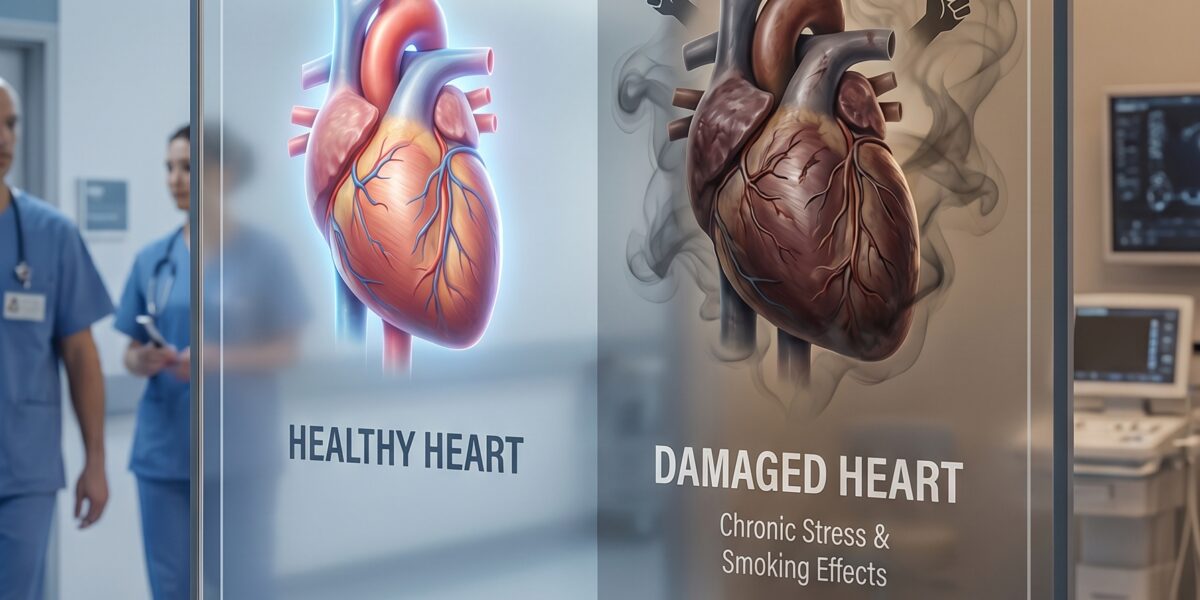
Many people do not realize that how smoking and stress damage heart health is often a slow, silent process that builds over years. The combination of smoking and chronic stress gradually weakens the heart, damages blood vessels, and increases the risk of serious cardiovascular conditions.
What makes how smoking and stress damage heart health especially dangerous is that the effects are not immediate. Instead, the body adapts while internal damage continues silently.
In many cases, individuals only notice the consequences when symptoms like chest discomfort, breathlessness, or fatigue appear—by which time the condition may already be advanced.
Why How Smoking and Stress Damage Heart Health is Often Overlooked
Understanding how smoking and stress damage heart health is critical because both factors work quietly inside the body.
How does smoking contribute to heart damage over time?
Smoking introduces toxins that damage blood vessels, reduce oxygen supply, and increase plaque buildup. Over time, this raises the risk of heart attacks and blocked arteries. This is a key part of how smoking and stress damage heart health.
How does stress silently affect the heart?
Chronic stress increases cortisol levels, raises blood pressure, and forces the heart to work harder. This long-term strain is a major factor in how smoking and stress damage heart health without obvious early symptoms.
Silent Warning Signs Related to Heart Damage
Recognizing early indicators of how smoking and stress damage heart health can help prevent severe complications.
What are early signs of silent heart damage?
Common symptoms include:
- Mild chest tightness
- Unexplained fatigue
- Shortness of breath during activity
- Irregular heartbeat
- Poor sleep and anxiety
These signs often appear gradually, reinforcing how smoking and stress damage heart health over time.
Can stress and smoking cause sudden heart issues?
Yes. A long history of how smoking and stress damage heart health can suddenly trigger heart attacks, especially when combined with poor lifestyle habits.
Long-Term Effects of Smoking and Stress on Heart Health
The long-term impact of how smoking and stress damage heart health includes serious medical risks:
- Coronary artery disease
- High blood pressure
- Stroke risk
- Reduced heart efficiency
- Chronic inflammation
These conditions develop slowly, making how smoking and stress damage heart health a major hidden health threat.
When Should You See a Doctor?
If you are experiencing signs linked to how smoking and stress damage heart health, medical attention should not be delayed.
Consult a doctor if:
- Symptoms persist for more than a few days
- You have chest discomfort or breathlessness
- You are a smoker with high stress levels
- You have a family history of heart disease
Early consultation helps detect risks caused by how smoking and stress damage heart health before complications occur.
Prevention and Lifestyle Control
Preventing how smoking and stress damage heart health requires consistent lifestyle changes:
- Quit smoking gradually with support
- Manage stress through exercise and sleep
- Avoid excessive caffeine and alcohol
- Maintain a heart-healthy diet
- Go for regular health checkups
Even small improvements significantly reduce how smoking and stress damage heart health over time.
Expert Care at Aneja Hospitals, Kundli
If you are concerned about how smoking and stress damage heart health, timely medical evaluation is essential.
At Aneja Bhogal Multispeciality Hospital, Kundli, patients receive:
- Cardiac screening and diagnostics
- Stress-related health evaluation
- Preventive heart care consultations
- Multispeciality treatment support
Early diagnosis plays a key role in managing how smoking and stress damage heart health effectively.
FAQs
Can smoking and stress really damage the heart silently?
Yes, how smoking and stress damage heart health is often gradual and symptom-free in early stages.
What is the biggest risk of long-term smoking and stress?
The biggest risk is hidden cardiovascular disease, a core outcome of how smoking and stress damage heart health.
Can heart damage be reversed?
Some effects can be controlled or improved if how smoking and stress damage heart health is addressed early.
Who is most at risk?
Smokers, highly stressed individuals, and people with sedentary lifestyles face higher risk of how smoking and stress damage heart health.