Pathology Lab in Sonipat: Accurate Diagnostic Services for Better Healthcare
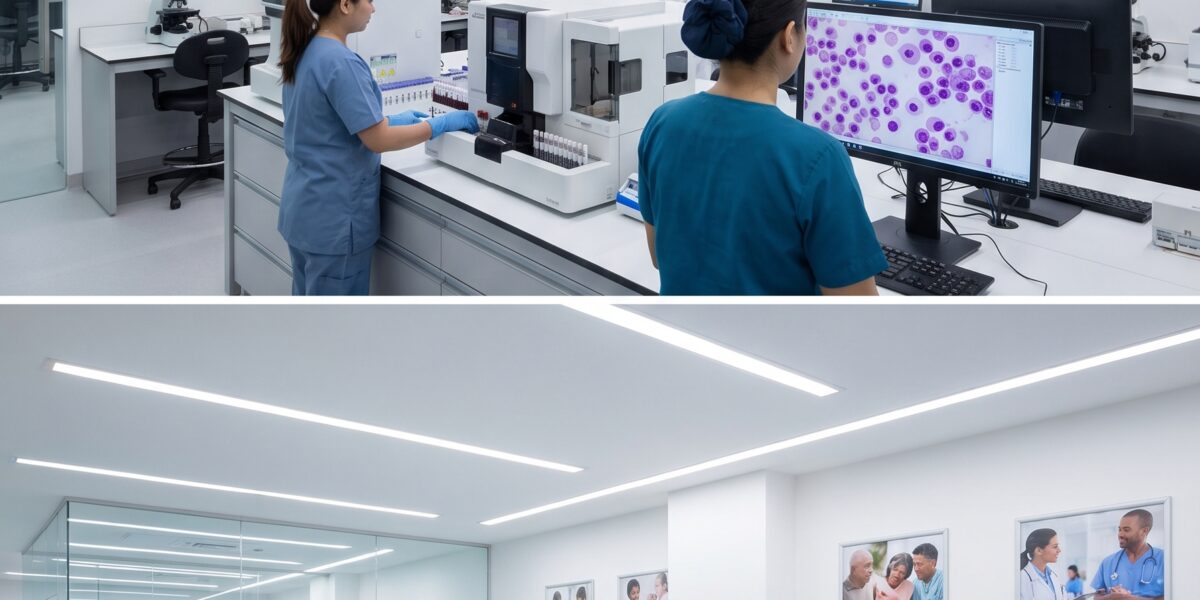
Modern healthcare depends heavily on accurate diagnosis, and pathology plays a vital role in identifying diseases, monitoring health conditions, and supporting effective treatment planning. From routine blood tests to advanced laboratory diagnostics, pathology services help doctors understand the internal functioning of the body with greater precision.
Today, patients increasingly look for a trusted pathology lab in Sonipat that offers accurate reporting, advanced laboratory support, and reliable diagnostic care under one roof.
Whether it is preventive health screening, chronic disease monitoring, infection detection, or emergency testing, choosing the right diagnostic pathology center can significantly improve treatment outcomes and patient confidence.
Aneja Hospital focuses on patient-centered healthcare with advanced pathology and diagnostic support, helping patients receive timely and accurate laboratory services for better medical care.
What Is Pathology?
Pathology is the branch of medical science that studies diseases through laboratory testing of blood, urine, tissues, and other body samples.
Doctors rely on pathology services to:
- diagnose diseases
- monitor treatment progress
- detect infections
- evaluate organ function
- identify deficiencies
- manage chronic illnesses
- support preventive healthcare
Without proper pathology testing, many medical conditions become difficult to diagnose accurately.
That is why patients often search for a reliable pathology hospital or diagnostic center offering trusted laboratory services.
Why Pathology Is Important in Healthcare
Pathology is one of the most essential components of modern medicine because it supports early diagnosis and effective treatment planning.
Accurate pathology reports help doctors:
- identify diseases early
- monitor diabetes and hypertension
- detect infections
- evaluate blood disorders
- assess organ health
- guide medication and treatment decisions
Timely diagnostic testing often helps prevent complications and improves patient outcomes.
Common Types of Pathology Services
Modern pathology laboratories provide a wide range of diagnostic tests depending on patient requirements and medical conditions.
Blood Tests
Blood testing is one of the most commonly performed pathology services.
Blood tests help evaluate:
- infections
- anemia
- diabetes
- cholesterol levels
- thyroid disorders
- kidney function
- liver function
Routine blood testing is also important for preventive health monitoring.
Patients often search for a trusted blood test laboratory that provides accurate and fast reporting.
Urine Tests
Urine testing helps doctors identify multiple medical conditions.
These tests are commonly used for:
- urinary tract infections
- kidney disorders
- diabetes monitoring
- hydration evaluation
- metabolic conditions
Urine analysis plays an important role in routine and preventive healthcare.
Biochemistry Testing
Biochemistry tests evaluate chemical processes and organ function within the body.
These tests help assess:
- blood sugar levels
- liver health
- kidney function
- electrolyte balance
- cholesterol levels
Biochemistry testing supports diagnosis and chronic disease management.
Hematology Services
Hematology focuses on blood-related disorders.
These tests help diagnose:
- anemia
- clotting disorders
- infections
- blood cancers
- inflammatory conditions
Hematology testing is often essential for both preventive and emergency healthcare.
Histopathology Testing
Histopathology involves microscopic examination of tissue samples.
Doctors may recommend these tests for:
- tumor analysis
- cancer diagnosis
- infection detection
- biopsy evaluation
Histopathology helps specialists understand disease progression more accurately.
Preventive Health Checkup Tests
Preventive healthcare is becoming increasingly important in modern lifestyles.
Routine pathology screening helps detect health problems early before symptoms become severe.
Preventive tests may include:
- blood sugar screening
- cholesterol testing
- thyroid profile
- liver function tests
- kidney function tests
- complete blood count
Regular health screening supports long-term wellness and early disease detection.
How Pathology Supports Different Medical Departments
Pathology services support almost every medical specialty within a hospital.
Internal Medicine
Doctors use pathology reports for diagnosing infections, diabetes, hypertension, and chronic illnesses.
Cardiology
Blood tests help evaluate heart-related risk factors such as cholesterol and inflammation.
Gynecology
Pathology testing supports pregnancy care, hormone evaluation, and women’s health assessments.
Orthopedics
Inflammatory markers and infection testing support orthopedic diagnosis and treatment.
Emergency Medicine
Emergency pathology testing helps doctors make quick treatment decisions during critical situations.
Preventive Healthcare
Routine laboratory screening helps identify diseases before major symptoms appear.
Benefits of Advanced Pathology Services
Modern laboratory diagnostics provide multiple advantages for both patients and healthcare professionals.
Accurate Disease Detection
Advanced testing technology improves diagnostic accuracy significantly.
Faster Reporting
Quick test results help doctors begin treatment sooner.
Early Diagnosis
Early detection often improves recovery and treatment outcomes.
Better Chronic Disease Management
Regular testing helps monitor conditions such as diabetes, thyroid disorders, and hypertension.
Preventive Healthcare Support
Routine screening helps identify hidden health risks before complications develop.
Why Accurate Reporting Matters
Even minor diagnostic errors can affect treatment quality.
That is why patients prefer a trusted pathology lab in Sonipat with:
- experienced professionals
- modern laboratory systems
- reliable reporting standards
- quality-controlled diagnostics
Accurate pathology reporting improves medical confidence for both patients and doctors.
When Should You Visit a Pathology Lab?
Doctors may recommend pathology testing when patients experience:
- fever
- fatigue
- unexplained weakness
- infections
- abnormal blood pressure
- diabetes symptoms
- digestive issues
- hormonal imbalance
- chronic disease symptoms
Preventive testing is also recommended for regular health monitoring.
Modern Technology in Pathology Services
Advanced pathology laboratories now use modern diagnostic systems to improve efficiency and precision.
Technology helps improve:
- report accuracy
- testing speed
- sample analysis
- data management
- diagnostic consistency
Modern diagnostic support strengthens overall patient care quality.
How Aneja Hospital Supports Diagnostic Care
Aneja Hospital focuses on integrated healthcare supported by modern pathology and diagnostic services.
The hospital’s diagnostic approach emphasizes:
- accurate laboratory reporting
- patient-focused healthcare
- advanced diagnostic support
- preventive healthcare
- multi-speciality coordination
- affordable medical services
- fast turnaround time
Patients searching for reliable pathology services often prioritize both diagnostic accuracy and hospital trust.
Integrated healthcare and laboratory support help improve patient confidence and treatment outcomes.
Preventive Healthcare & Pathology
Pathology is not limited to illness diagnosis alone.
Preventive healthcare testing is equally important.
Regular pathology screening may help identify:
- diabetes risk
- cholesterol imbalance
- liver disorders
- kidney problems
- nutritional deficiencies
- thyroid disorders
Early detection often reduces long-term health complications.
Tips Before Undergoing Pathology Tests
Follow Fasting Instructions
Certain blood tests may require fasting for accurate results.
Share Medical History
Inform healthcare professionals about medications and existing health conditions.
Stay Hydrated
Drinking water may help during some laboratory tests unless fasting restrictions apply.
Carry Previous Reports
Older reports help doctors compare test trends more effectively.
Frequently Asked Questions (FAQs)
What is pathology?
Pathology is a medical specialty that diagnoses diseases through laboratory testing of blood, urine, tissues, and other body samples.
Why are pathology tests important?
Pathology tests help doctors diagnose diseases, monitor health conditions, and plan effective treatments.
How often should preventive blood tests be done?
Routine health screening frequency depends on age, lifestyle, and medical history. Doctors may recommend annual preventive testing.
What is the difference between pathology and radiology?
Pathology focuses on laboratory testing of samples, while radiology uses imaging techniques such as X-rays and CT scans.
Are pathology tests safe?
Yes, standard pathology procedures such as blood and urine tests are generally safe and routinely performed.
Why is fast pathology reporting important?
Quick reporting helps doctors begin treatment earlier and improves patient care efficiency.
Final Thoughts
Pathology services play a critical role in modern healthcare by supporting early diagnosis, preventive screening, and effective treatment planning.
From routine blood tests to advanced laboratory diagnostics, accurate pathology reporting helps doctors provide better medical care and improves patient outcomes.
Choosing a trusted pathology lab in Sonipat ensures access to:
- accurate diagnostics
- fast reporting
- preventive healthcare support
- advanced laboratory testing
- patient-focused care
With integrated healthcare services and modern diagnostic support, Aneja Hospital continues helping patients through reliable and professional pathology services designed to support better health and diagnostic confidence.
Get Direction
Aneja Bhogal Multispeciality Hospital & Aneja Wellness Center
Contact no:- +91-9812591077,+91-8901523993
Website:- https://anejahospitals.com/