Toothache: Common Causes and When to Visit a Dentist
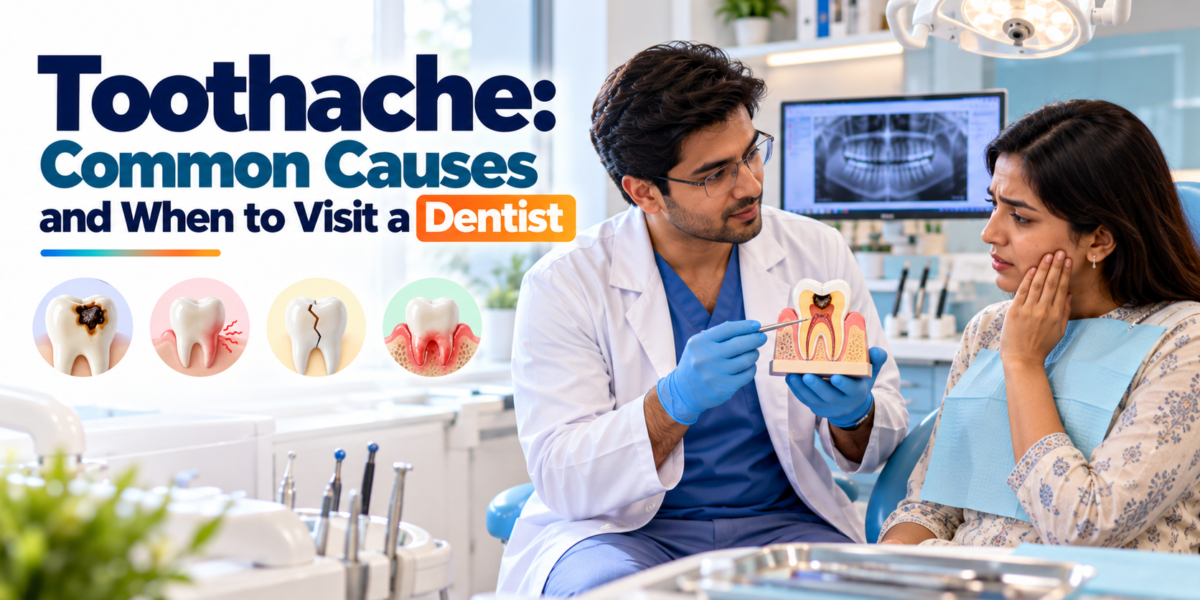
Toothache can range from mild sensitivity to severe, persistent pain that affects your ability to eat, sleep, or concentrate. Understanding the common toothache causes can help you recognize when a dental problem needs professional attention. While some discomfort may result from temporary sensitivity, ongoing or severe tooth pain can indicate tooth decay, infection, gum disease, or a damaged tooth.
If you or a family member is experiencing tooth pain, knowing when to visit a dentist is essential for protecting your oral health. Patients in Sonipat, including Model Town, Sector 7, Sector 8, Sector 12, Sector 14, Sector 15, and surrounding localities, should seek appropriate dental care rather than ignoring persistent symptoms.
In this guide, we explain the common causes of toothache, symptoms that require attention, safe steps to manage discomfort, and when to seek urgent dental treatment.
What Are the Most Common Toothache Causes?
Tooth pain can develop for several reasons. Identifying the underlying problem is important because the right treatment depends on the cause.
1. Tooth Decay and Cavities
Tooth decay is one of the most common toothache causes. It develops when bacteria in dental plaque produce acids that gradually damage tooth enamel.
In the early stages, a cavity may not cause noticeable symptoms. As decay progresses deeper into the tooth, you may experience sensitivity to sweets, cold drinks, hot foods, or pressure while chewing.
Possible symptoms include:
- Sensitivity to hot, cold, or sweet foods.
- Pain when biting or chewing.
- Visible holes, dark spots, or discoloration.
- Persistent tooth discomfort.
A dentist can assess the extent of decay and recommend appropriate treatment, which may include a filling or, in more advanced cases, root canal treatment.
2. Gum Disease
Gum disease occurs when plaque accumulates along the gumline, causing inflammation. Early gum disease may cause red, swollen, or bleeding gums, while advanced disease can damage the tissues and bone supporting your teeth.
Although gum disease does not always cause a traditional toothache, it can contribute to tenderness, discomfort, gum recession, and loose teeth.
Maintaining good oral hygiene and arranging regular dental check-ups can help prevent gum problems from progressing.
3. Tooth Infection or Dental Abscess
A dental abscess is a pocket of pus caused by a bacterial infection. It can develop around the root of a tooth or in the gums, sometimes following untreated tooth decay, a crack, or gum disease.
Warning signs may include:
- Severe or throbbing tooth pain.
- Swelling around the gums, jaw, or face.
- A bad taste in the mouth or discharge.
- Fever or feeling generally unwell.
- Difficulty opening the mouth.
A suspected dental abscess requires urgent dental assessment. It generally does not resolve permanently without appropriate treatment.
If you experience difficulty breathing or swallowing, or rapidly spreading swelling involving the mouth, face, or neck, seek emergency medical care immediately.
4. Cracked, Chipped, or Broken Tooth
A cracked or broken tooth can expose sensitive inner layers and allow bacteria to enter the tooth.
You may notice sharp pain while biting, discomfort when releasing your bite, or sensitivity to hot and cold temperatures. Some cracks are difficult to see without a professional examination.
Avoid chewing hard foods on the affected side and arrange a dental appointment promptly. Treatment depends on the location and severity of the damage.
5. Tooth Sensitivity
Tooth sensitivity commonly causes a brief, sharp sensation when you consume cold drinks, hot beverages, sweets, or acidic foods.
It may occur when enamel wears down or gums recede, exposing the underlying dentin. Aggressive brushing, tooth grinding, and acidic foods can contribute to the problem.
A desensitizing toothpaste may help some people, but persistent, localized, or worsening sensitivity should be assessed by a dentist to rule out cavities, cracks, or other dental problems.
6. Impacted Wisdom Teeth
Wisdom teeth sometimes lack sufficient space to erupt normally. When a wisdom tooth becomes partially or completely trapped beneath the gum, it may cause pain, swelling, or inflammation.
Food and bacteria can collect around a partially erupted wisdom tooth, increasing the risk of infection.
If you experience pain at the back of your mouth, swollen gums, or difficulty opening your jaw, consult a dentist for an examination. Dental X-rays may be recommended to assess the position of the tooth.
7. Teeth Grinding and Jaw Problems
Grinding or clenching your teeth, particularly during sleep, can put excessive pressure on your teeth and jaw muscles.
Common symptoms include morning jaw soreness, headaches, worn teeth, and discomfort when chewing. Temporomandibular joint (TMJ) problems can also cause pain around the jaw and ears that may be mistaken for a toothache.
A dentist can assess signs of grinding and discuss suitable treatment options, such as a custom night guard when appropriate.
8. Sinus Pressure
Sinus inflammation can sometimes cause pain that feels as though it comes from the upper back teeth. This happens because the roots of some upper teeth are close to the maxillary sinuses.
Sinus-related tooth discomfort may occur alongside nasal congestion, facial pressure, or pain that affects several upper teeth.
If tooth pain persists, is concentrated around one tooth, or occurs with swelling or temperature sensitivity, do not assume sinus pressure is the cause. A dental assessment can help distinguish dental problems from sinus-related discomfort.
When Should You Visit a Dentist for a Toothache?
Knowing when to visit a dentist can prevent a manageable problem from becoming more serious.
Book a Dental Appointment if Tooth Pain Persists
Arrange a dental examination if:
- Tooth pain lasts longer than a day or two.
- Sensitivity keeps returning or becomes more severe.
- You experience pain while biting or chewing.
- A tooth appears cracked, chipped, or damaged.
- Your gums bleed regularly or become swollen.
- Tooth pain repeatedly wakes you at night.
Do not wait for severe pain before seeking care. Some dental problems can progress even when symptoms are mild.
Seek Urgent Dental Care for These Symptoms
Contact a dentist urgently if you have:
- Severe or rapidly worsening tooth pain.
- Swelling around the gums, jaw, or face.
- Pus, a persistent bad taste, or suspected dental abscess.
- Fever associated with tooth pain or swelling.
- Difficulty opening your mouth normally.
- Significant dental injury or a tooth that has been knocked out.
A dentist can determine whether you need same-day treatment or another form of urgent care.
Emergency warning: Difficulty breathing or swallowing, rapidly spreading swelling, or swelling that threatens the eye or neck requires emergency medical assessment. Do not delay emergency care while waiting for a dental appointment.
How Can You Relieve a Toothache at Home?
Home care may provide temporary relief, but it cannot replace treatment for an underlying dental problem.
Rinse with Warm Salt Water
Dissolve approximately half a teaspoon of salt in a glass of warm water. Gently rinse your mouth and spit it out. This may help soothe irritated tissues, but it will not cure a cavity or dental abscess.
Children who may swallow the rinse should not use this method unsupervised.
Apply a Cold Compress
If you have facial swelling, apply a cold compress wrapped in a cloth to the outside of your cheek for short intervals. This may help reduce discomfort and swelling.
Do not apply ice directly to the skin or affected tooth.
Choose Soft Foods
Eat soft foods and avoid chewing on the painful side. Very hot, cold, sweet, or hard foods may worsen symptoms, particularly if the tooth is sensitive or cracked.
Maintain Gentle Oral Hygiene
Continue brushing gently with a soft-bristled toothbrush and clean between your teeth carefully. Avoid forceful brushing around painful or swollen gums.
Use Pain Relief Responsibly
An over-the-counter pain reliever may help temporarily if it is appropriate for you. Follow the product label and consult a pharmacist or healthcare professional if you are unsure, particularly for children, pregnancy, existing medical conditions, or other medicines.
Never place aspirin directly against a tooth or gum because it can damage the tissue. Do not take leftover antibiotics or use antibiotics without professional guidance.
Important: Home remedies can reduce discomfort temporarily, but persistent toothache, swelling, or suspected infection requires professional assessment.
How Do Dentists Diagnose and Treat Toothache?
The treatment for toothache depends on its underlying cause. A dentist may ask about your symptoms, examine your teeth and gums, test tooth sensitivity, and recommend dental X-rays when necessary.
Common treatment options include:
- Dental fillings: To repair suitable cavities caused by tooth decay.
- Root canal treatment: To treat infection or damage involving the pulp inside a tooth.
- Professional gum treatment: To manage gum inflammation and periodontal disease.
- Dental crowns or other restorations: To protect certain cracked or weakened teeth.
- Wisdom tooth treatment: To manage impacted teeth or recurrent inflammation.
- Tooth extraction: When a tooth cannot be predictably restored or removal is otherwise indicated.
Not every toothache requires extraction or root canal treatment. Early diagnosis helps your dentist choose the most appropriate option for your specific condition.
Toothache Treatment in Sonipat: When Should Local Patients Seek Care?
If you live in Sonipat or nearby areas, including Model Town, Sector 7, Sector 8, Sector 12, Sector 14, Sector 15, Sector 23, Sector 27, Sector 30, Sikka Colony, Patel Nagar, Adarsh Nagar, Atlas Road, Subhash Chowk, Geeta Bhawan Chowk, Old Chowk, Kakroi Road, Gohana Road, or Murthal Road, persistent tooth pain should not be ignored.
Residents of Murthal, Ganaur, Gohana, Kharkhoda, Kundli, Rai, Nahra, Nahri, Rathdhana, Kami, Kakroi, Purkhas, Jakhauli, Khewra, Sisana, Rohna, Farmana, and other surrounding villages should also seek timely professional assessment when symptoms develop.
For patients looking for dental care in Sonipat, Aneja Hospitals may be a starting point for checking available services and appointment arrangements.
Visit the official website at https://anejahospitals.com/ to review the hospital’s current services and contact information. Confirm that the relevant dental service is available before booking.
If you have severe pain, facial swelling, fever, or signs of infection, seek prompt professional care rather than waiting for the symptoms to resolve on their own.
How Can You Prevent Toothache?
Although not every cause of toothache is preventable, good oral hygiene and regular dental care can reduce your risk of common dental problems.
Follow these preventive measures:
- Brush twice daily with fluoride toothpaste.
- Clean between your teeth every day using floss or an appropriate interdental cleaner.
- Limit frequent sugary snacks and drinks.
- Drink water regularly, particularly after meals.
- Avoid chewing ice or using your teeth to open packaging.
- Wear a suitable mouthguard for contact sports.
- Discuss teeth grinding with your dentist if you wake with jaw pain.
- Schedule routine dental check-ups based on your oral health needs.
- Address sensitivity, bleeding gums, and small cavities before they worsen.
Prevention, early diagnosis, and appropriate treatment can help preserve your natural teeth and maintain long-term oral health.
Frequently Asked Questions About Toothache Causes
What are the most common toothache causes?
Common toothache causes include tooth decay, gum disease, dental abscesses, cracked teeth, sensitivity, impacted wisdom teeth, and teeth grinding. An examination is needed to identify the cause of your symptoms.
When should I visit a dentist for a toothache?
Arrange an appointment if your toothache lasts longer than a day or two, repeatedly returns, or causes pain when chewing. Severe pain, facial swelling, fever, or suspected infection requires urgent dental assessment.
Can a toothache go away on its own?
Mild discomfort may improve temporarily, but pain relief does not necessarily mean the underlying problem has resolved. Cavities, cracked teeth, and dental infections may need professional treatment.
How can I relieve tooth pain until my dental appointment?
You can try a gentle warm saltwater rinse, a cold compress on the outside of the cheek, soft foods, and appropriate over-the-counter pain relief. These measures provide temporary relief and do not replace dental treatment.
Does a toothache always mean I need a root canal?
No. A toothache may be caused by sensitivity, gum problems, or a cavity that can be treated without root canal therapy. A dentist determines the appropriate treatment after examining the tooth.
Can sinus problems cause tooth pain?
Yes. Sinus inflammation can cause pressure or discomfort in several upper back teeth. Persistent or localized pain should still be assessed to rule out dental causes.
Is a toothache with facial swelling an emergency?
Facial swelling associated with toothache may indicate an infection and requires urgent assessment. Difficulty breathing or swallowing, rapidly spreading swelling, or swelling affecting the eye or neck requires emergency medical care.
What should I avoid when I have a toothache?
Avoid chewing hard foods on the painful side, placing aspirin directly on the gums, taking unprescribed antibiotics, and ignoring persistent or worsening symptoms. Do not delay emergency care if serious warning signs develop.
Where can I seek dental care in Sonipat?
If you are in Sonipat or a nearby locality, check with a local dental provider or hospital to confirm available services, appointment times, and emergency arrangements. You can visit https://anejahospitals.com/ to review Aneja Hospitals’ official information and verify whether the required dental service is offered.
Conclusion: Do Not Ignore Persistent Toothache
Understanding common toothache causes helps you recognize when dental discomfort needs attention. Tooth decay, gum disease, cracked teeth, sensitivity, and dental infections can all produce pain, but each requires a different approach to treatment.
If tooth pain persists, becomes severe, or is accompanied by swelling or fever, arrange appropriate dental care promptly. Seek emergency medical attention for difficulty breathing or swallowing or rapidly spreading swelling.
If you are looking for dental care in Sonipat, check the services available through Aneja Hospitals and contact the hospital directly to confirm the appropriate appointment options.
Take the next step: Visit https://anejahospitals.com/ to review official hospital information and verify the availability of the dental care you need.
Medical information notice: This article is for general educational purposes and is not a substitute for an examination, diagnosis, or personalized advice from a qualified dental or medical professional.