How Poor Oral Hygiene Silently Affects Digestion and Overall Internal Health
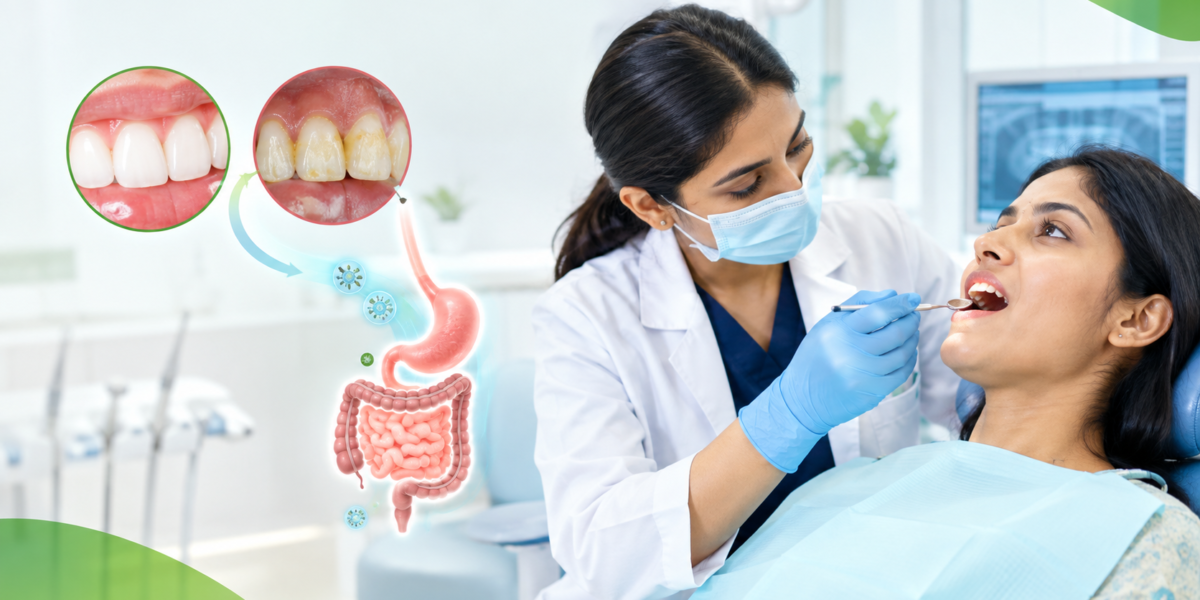
Many people think oral hygiene is only about having clean teeth, fresh breath, and a healthy smile. But your mouth is the first part of the digestive system, and its health can influence what happens throughout your body.
Poor oral hygiene can allow harmful bacteria to build up in the mouth. Over time, this may contribute to gum inflammation, tooth decay, bad breath, and other oral problems. Because the mouth is closely connected with eating and digestion, neglecting oral health may also affect your overall well-being.
1. Your Mouth Is the First Step of Digestion
Digestion begins as soon as you start chewing food. Teeth break food into smaller pieces, while saliva helps moisten food and contains enzymes that begin the digestive process.
When teeth are damaged, painful, or missing, chewing may become difficult. People may swallow larger pieces of food or avoid certain nutritious foods because they are difficult to chew. This can make the digestive process less efficient.
2. Poor Oral Hygiene Can Increase Harmful Bacteria
When brushing and flossing are neglected, plaque can accumulate around the teeth and gums. This creates an environment where harmful bacteria can multiply.
Some oral bacteria can be swallowed with saliva and enter the digestive tract. The mouth and gut are connected, so maintaining a healthy oral environment is an important part of supporting overall microbial balance.
3. Gum Disease Can Cause Ongoing Inflammation
Poor oral hygiene is one of the major contributors to gum disease. Early gum disease may cause redness, swelling, tenderness, or bleeding while brushing.
If gum problems are ignored, inflammation can become more severe. Chronic inflammation in the body is associated with several health conditions, which is why maintaining healthy gums is about more than protecting your teeth.
4. Tooth Problems Can Change Your Eating Habits
A painful or damaged tooth can make eating uncomfortable. You may start avoiding fruits, vegetables, nuts, or other foods that require chewing and instead choose softer or processed foods.
Over time, these changes can affect the quality and variety of your diet. Treating dental problems early can help you maintain healthier eating habits.
5. Oral Health and Gut Health Are Connected
The oral cavity contains a complex community of microorganisms, just like the digestive tract. Researchers are increasingly studying the relationship between oral bacteria, gut microbiota, inflammation, and overall health.
This does not mean that poor oral hygiene directly causes every digestive problem. However, it highlights why oral health should be considered part of your overall health—not something separate from it.
6. Bad Breath Can Be a Warning Sign
Persistent bad breath is not always simply a result of eating certain foods. It can be associated with plaque buildup, gum disease, tooth decay, dry mouth, or other oral conditions.
If bad breath continues despite regular brushing, tongue cleaning, and good oral care, a dental check-up can help identify the underlying cause.
How to Protect Your Oral and Overall Health
A few simple habits can make a significant difference:
- Brush your teeth twice a day with fluoride toothpaste.
- Clean between your teeth regularly using floss or an appropriate interdental cleaner.
- Clean your tongue gently to reduce bacterial buildup.
- Drink enough water and avoid excessive sugary foods and drinks.
- Do not ignore bleeding gums, tooth pain, swelling, or persistent bad breath.
- Visit your dentist regularly for preventive check-ups and professional cleaning when needed.
- Maintain a balanced diet that supports both oral and digestive health.
Don’t Ignore Your Mouth
Your mouth is not separate from the rest of your body. Healthy teeth and gums help you chew properly, enjoy a balanced diet, and maintain good oral function.
If you experience persistent gum bleeding, tooth pain, swelling, bad breath, difficulty chewing, or other changes in your mouth, don’t wait for the problem to become severe. Early dental care can protect your smile and support your overall health.
Remember: Good oral hygiene is not just about a beautiful smile—it is an important part of taking care of your whole body.