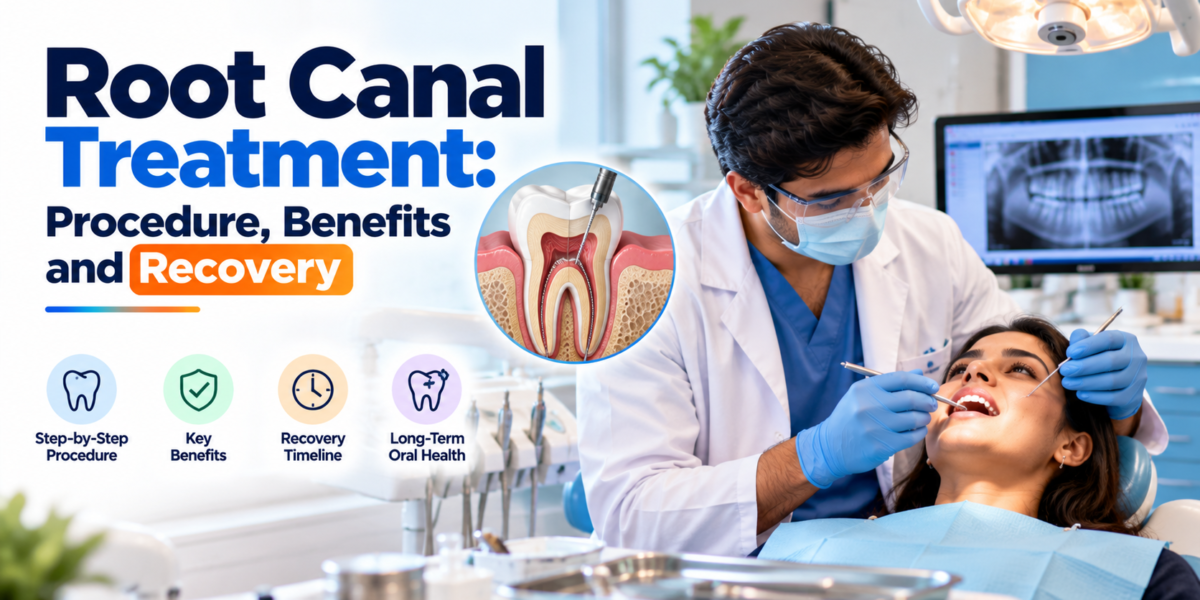
Root Canal Treatment: Procedure, Benefits and Recovery
Experiencing persistent tooth pain, sensitivity to hot or cold foods, or swelling around your gums? These symptoms may indicate an underlying dental problem that requires professional attention. Root canal treatment is a dental procedure that can help save an infected or severely damaged tooth while relieving pain and preserving your natural smile.
For patients looking for root canal treatment in Sonipat, understanding the procedure, its benefits and the recovery process can make it easier to take the next step toward better oral health.
Aneja Hospitals’ website is anejahospitals.com. Patients can use the hospital’s official contact channels to enquire about dental consultations and available treatment services.
In this guide, we explain when a root canal may be necessary, how the procedure works, what recovery involves and when to consult a dentist.
What Is Root Canal Treatment?
Root canal treatment, also known as endodontic treatment, is a dental procedure used to treat infection or inflammation inside a tooth. The innermost part of the tooth contains soft tissue called the pulp, which includes nerves and blood vessels.
When the pulp becomes infected because of deep tooth decay, a crack, trauma or repeated dental procedures, a dentist may recommend root canal treatment.
During the procedure, the dentist removes the affected pulp, cleans and disinfects the inside of the tooth, and seals the root canals with a suitable filling material. A filling or dental crown may then be used to restore the tooth, depending on the extent of damage.
The primary aim of root canal treatment is to eliminate the source of infection, preserve the natural tooth and restore comfortable chewing.
What Are the Signs You May Need Root Canal Treatment?
Not every toothache requires a root canal. However, certain symptoms can indicate damage or infection within the tooth.
What Are the Common Symptoms of an Infected Tooth?
Watch for the following warning signs:
- Persistent or severe toothache.
- Prolonged sensitivity to hot or cold foods and drinks.
- Pain when biting or chewing.
- Swelling or tenderness around the gums.
- A small pimple-like swelling on the gum near a tooth.
- Darkening or discolouration of a tooth.
- Recurring discomfort around a previously treated tooth.
Some infected teeth may cause little or no pain, so the absence of symptoms does not always rule out a problem.
If you experience these symptoms, arrange a dental examination. A dentist may use an oral examination and dental X-rays to determine whether root canal treatment is appropriate.
Facial swelling accompanied by fever or difficulty opening your mouth needs urgent dental assessment. Difficulty breathing or swallowing, or rapidly spreading swelling, requires emergency medical care.
How Is Root Canal Treatment Performed?
The exact procedure depends on the tooth’s condition, the number of root canals and the complexity of the infection. Many cases can be completed in one or two appointments, while more complicated cases may require additional visits.
What Happens During the First Dental Examination?
The dentist reviews your symptoms, examines the affected tooth and may take X-rays to assess the roots and surrounding bone.
This examination helps determine whether the tooth can be saved and whether a root canal, another dental procedure or a different treatment is more suitable.
How Is the Tooth Prepared for Treatment?
Local anaesthesia is generally administered to numb the affected area. The dentist then places a protective barrier, commonly called a dental dam, when appropriate, to keep the tooth isolated during treatment.
The aim is to make the procedure as comfortable as possible while maintaining a clean treatment area.
How Does the Dentist Clean the Root Canals?
The dentist creates a small opening in the tooth to access the pulp chamber and root canals. Infected or inflamed pulp tissue is removed, and the canals are carefully cleaned, shaped and disinfected.
If the infection requires additional management, medication may be placed inside the tooth and a temporary filling may be used before the next appointment.
How Are the Root Canals Sealed?
After cleaning and shaping, the dentist fills and seals the canals with a suitable material, commonly gutta-percha, and a dental sealer.
Sealing the canals helps prevent bacteria from re-entering the treated space.
Is a Dental Crown Needed After Root Canal Treatment?
Some treated teeth need a dental crown to restore their strength and function, particularly back teeth that experience substantial chewing forces or teeth with significant structural damage.
Other teeth may be restored with a suitable filling or another restoration. Your dentist will recommend the appropriate option based on how much healthy tooth structure remains.
Completing the recommended restoration is important because a root-treated tooth can still fracture or develop new decay.
What Are the Benefits of Root Canal Treatment?
Root canal treatment offers several potential benefits when the tooth can be predictably restored.
Can Root Canal Treatment Save Your Natural Tooth?
Yes. One of the main benefits is that it can preserve a natural tooth that might otherwise need extraction. Keeping the tooth can help maintain normal chewing function and avoid some of the challenges associated with a missing tooth.
Does Root Canal Treatment Relieve Tooth Pain?
When pain is caused by inflamed or infected pulp, treatment can remove the source of the problem. Some tenderness may continue temporarily after the procedure, but persistent or worsening pain should be reviewed by your dentist.
Can Root Canal Treatment Prevent Tooth Extraction?
In suitable cases, root canal treatment can prevent the need to remove the affected tooth. However, a tooth with extensive structural damage, a severe fracture or an unfavourable prognosis may not be suitable for treatment.
Your dentist will explain the available options before proceeding.
Does Root Canal Treatment Restore Normal Chewing?
Once the tooth has been adequately treated and restored, it can often function normally. The final result depends on the amount of remaining tooth structure, the quality of the restoration and ongoing oral hygiene.
Is Root Canal Treatment Better Than Tooth Extraction?
When a tooth is restorable, preserving it may be beneficial. Extraction may be necessary if the tooth cannot be saved. Replacing an extracted tooth can involve additional options, such as an implant, bridge or removable denture.
The most appropriate treatment depends on your oral health, the condition of the tooth, your preferences and your dentist’s assessment.
Is Root Canal Treatment Painful?
Many patients worry that root canal treatment will be painful. In most cases, local anaesthesia is used to control pain during the procedure.
You may experience pressure or vibration while the dentist works, but you should tell the dentist if you feel pain so that the anaesthesia and treatment approach can be reassessed.
After the procedure, mild tenderness or discomfort may occur for a few days as the surrounding tissues recover. The level of discomfort varies according to the severity of the original infection and the complexity of the treatment.
Modern dental techniques and appropriate pain management can help make root canal treatment more comfortable than many patients expect.
How Long Does Root Canal Treatment Take?
The duration depends on the affected tooth, the number and shape of its root canals, the severity of infection and whether additional treatment is needed.
Some cases can be completed in a single visit, while others require two or more appointments. A dental crown or other final restoration may involve a separate appointment.
Your dentist can provide a more accurate estimate after examining your tooth.
Root Canal Recovery: What to Expect
Recovery after root canal treatment is generally straightforward, although temporary tenderness is common.
What Should You Do in the First 24 Hours?
Follow your dentist’s instructions and consider these precautions:
- Avoid chewing until the numbness has completely worn off.
- Choose soft foods if the tooth feels tender.
- Avoid chewing hard or sticky foods with the treated tooth, especially if it has a temporary filling.
- Brush gently and continue cleaning between your teeth.
- Take medication only as directed by your dentist or healthcare professional.
Do not apply aspirin or other medication directly to the gums or tooth, as this can injure the tissues.
What Foods Can You Eat After Root Canal Treatment?
Soft foods can be more comfortable during the early recovery period. Suitable options may include yoghurt, soft rice, mashed vegetables, eggs, porridge and soup that is not too hot.
Avoid hard nuts, ice, sticky sweets and foods that place excessive pressure on a tooth that has not yet received its final restoration.
As discomfort improves, you can gradually return to your usual diet according to your dentist’s advice.
How Long Does It Take to Recover From a Root Canal?
Many patients can resume routine activities the same day or the following day, depending on how they feel and whether additional procedures were performed.
Mild tenderness may last several days. The tooth may feel slightly different while biting, but severe, persistent or worsening symptoms are not something to ignore.
Contact your dentist if pain increases, swelling develops or persists, your bite feels uneven, or your temporary filling comes out. Seek prompt care for signs of spreading infection.
When Can You Brush Your Teeth After Root Canal Treatment?
You can generally continue brushing your teeth after treatment, taking care around any tender area. Use a soft-bristled toothbrush and clean gently.
Maintaining good oral hygiene helps protect the treated tooth and the surrounding gums. Continue flossing or cleaning between your teeth as advised by your dentist.
How Can You Care for a Tooth After Root Canal Treatment?
The long-term success of root canal treatment depends on appropriate restoration and regular dental care.
- Complete the recommended filling or crown as advised.
- Brush twice daily with fluoride toothpaste.
- Clean between your teeth every day.
- Limit frequent consumption of sugary snacks and drinks.
- Attend routine dental check-ups.
- Avoid biting hard objects such as ice or pens.
- Contact your dentist if you develop new pain, swelling or sensitivity.
A root-treated tooth can last for many years, but its longevity depends on the quality of treatment, the final restoration, the remaining tooth structure and ongoing oral care.
Root Canal Treatment in Sonipat: When Should You Consult a Dentist?
If you live in Sonipat or nearby areas and have persistent tooth pain, sensitivity or gum swelling, arranging a dental examination is an important first step.
Patients from Model Town, Sectors 7, 8, 12, 14 and 15, Sikka Colony, Patel Nagar, Murthal Road, Gohana Road, Kundli, Murthal, Ganaur and surrounding communities can look for a suitable dental provider based on clinical expertise, accessibility and the services available.
Aneja Hospitals’ official website is https://anejahospitals.com/. Contact the hospital directly to confirm whether root canal treatment is available, how to arrange a consultation and what appointment options are offered.
During your consultation, consider asking:
- Is the tooth suitable for root canal treatment?
- Will I need a dental crown after treatment?
- How many visits are likely to be required?
- What will the estimated treatment cost be?
- What aftercare and follow-up visits will I need?
Early assessment may help prevent a dental problem from becoming more complicated. Do not delay urgent care if you have severe pain or facial swelling.
Frequently Asked Questions About Root Canal Treatment
1. What Is Root Canal Treatment Used For?
Root canal treatment is used to treat infection or inflammation inside a tooth’s pulp. It can help relieve symptoms and preserve the natural tooth when the tooth is suitable for restoration.
2. Is Root Canal Treatment Painful?
Local anaesthesia is generally used to control pain during treatment. Mild tenderness may occur afterward, but severe or worsening pain should be assessed by a dentist.
3. How Many Days Does Root Canal Recovery Take?
Many patients return to their normal activities within a day or two. Mild tenderness may continue for several days, depending on the original infection and the complexity of treatment.
4. How Many Visits Are Required for Root Canal Treatment?
Some root canals can be completed in one appointment, while others need two or more visits. The number of appointments depends on the tooth, infection and restoration required.
5. Is a Crown Always Necessary After Root Canal Treatment?
No. A crown is not necessary in every case, but it is often recommended for back teeth or teeth with substantial structural damage. Your dentist will determine the most appropriate restoration.
6. Can a Root Canal-Treated Tooth Get Infected Again?
Yes. A tooth can develop a new infection if bacteria re-enter through decay, a damaged restoration or other problems. Good oral hygiene, timely restoration and regular dental check-ups help reduce the risk.
7. What Should I Avoid Eating After Root Canal Treatment?
Avoid hard, crunchy or sticky foods that could damage the tooth or a temporary filling. Choose softer foods until chewing is comfortable and your dentist confirms that the tooth is ready for normal use.
8. When Should I Contact a Dentist After a Root Canal?
Contact your dentist if pain worsens, swelling develops, your bite feels uneven, the temporary filling falls out or symptoms do not improve as expected. Facial swelling with difficulty breathing or swallowing requires emergency medical care.
9. Where Can I Enquire About Root Canal Treatment in Sonipat?
You can visit Aneja Hospitals’ official website to enquire about available dental services and consultation arrangements. Confirm the availability of root canal treatment directly with the hospital before scheduling.
Conclusion
Root canal treatment can help relieve pain, treat infection and preserve a natural tooth when the tooth can be restored successfully. Understanding the procedure, following your dentist’s recovery instructions and completing the recommended restoration can support a favourable outcome.
If you have persistent tooth pain, sensitivity or swelling, arrange a dental examination rather than relying on home remedies alone. Patients in Sonipat and nearby areas can contact Aneja Hospitals to enquire about available dental consultation services and determine the next appropriate step for their oral health.
Take the first step toward a healthier smile by seeking professional dental advice when symptoms arise.
Root Canal Treatment: Procedure, Benefits and Recovery
Experiencing persistent tooth pain, sensitivity to hot or cold foods, or swelling around your gums? These symptoms may indicate an underlying dental problem that requires professional attention. Root canal treatment is a dental procedure that can help save an infected or severely damaged tooth while relieving pain and preserving your natural smile.
For patients looking for root canal treatment in Sonipat, understanding the procedure, its benefits and the recovery process can make it easier to take the next step toward better oral health.
Aneja Hospitals’ website is anejahospitals.com. Patients can use the hospital’s official contact channels to enquire about dental consultations and available treatment services.
In this guide, we explain when a root canal may be necessary, how the procedure works, what recovery involves and when to consult a dentist.
What Is Root Canal Treatment?
Root canal treatment, also known as endodontic treatment, is a dental procedure used to treat infection or inflammation inside a tooth. The innermost part of the tooth contains soft tissue called the pulp, which includes nerves and blood vessels.
When the pulp becomes infected because of deep tooth decay, a crack, trauma or repeated dental procedures, a dentist may recommend root canal treatment.
During the procedure, the dentist removes the affected pulp, cleans and disinfects the inside of the tooth, and seals the root canals with a suitable filling material. A filling or dental crown may then be used to restore the tooth, depending on the extent of damage.
The primary aim of root canal treatment is to eliminate the source of infection, preserve the natural tooth and restore comfortable chewing.
What Are the Signs You May Need Root Canal Treatment?
Not every toothache requires a root canal. However, certain symptoms can indicate damage or infection within the tooth.
What Are the Common Symptoms of an Infected Tooth?
Watch for the following warning signs:
- Persistent or severe toothache.
- Prolonged sensitivity to hot or cold foods and drinks.
- Pain when biting or chewing.
- Swelling or tenderness around the gums.
- A small pimple-like swelling on the gum near a tooth.
- Darkening or discolouration of a tooth.
- Recurring discomfort around a previously treated tooth.
Some infected teeth may cause little or no pain, so the absence of symptoms does not always rule out a problem.
If you experience these symptoms, arrange a dental examination. A dentist may use an oral examination and dental X-rays to determine whether root canal treatment is appropriate.
Facial swelling accompanied by fever or difficulty opening your mouth needs urgent dental assessment. Difficulty breathing or swallowing, or rapidly spreading swelling, requires emergency medical care.
How Is Root Canal Treatment Performed?
The exact procedure depends on the tooth’s condition, the number of root canals and the complexity of the infection. Many cases can be completed in one or two appointments, while more complicated cases may require additional visits.
What Happens During the First Dental Examination?
The dentist reviews your symptoms, examines the affected tooth and may take X-rays to assess the roots and surrounding bone.
This examination helps determine whether the tooth can be saved and whether a root canal, another dental procedure or a different treatment is more suitable.
How Is the Tooth Prepared for Treatment?
Local anaesthesia is generally administered to numb the affected area. The dentist then places a protective barrier, commonly called a dental dam, when appropriate, to keep the tooth isolated during treatment.
The aim is to make the procedure as comfortable as possible while maintaining a clean treatment area.
How Does the Dentist Clean the Root Canals?
The dentist creates a small opening in the tooth to access the pulp chamber and root canals. Infected or inflamed pulp tissue is removed, and the canals are carefully cleaned, shaped and disinfected.
If the infection requires additional management, medication may be placed inside the tooth and a temporary filling may be used before the next appointment.
How Are the Root Canals Sealed?
After cleaning and shaping, the dentist fills and seals the canals with a suitable material, commonly gutta-percha, and a dental sealer.
Sealing the canals helps prevent bacteria from re-entering the treated space.
Is a Dental Crown Needed After Root Canal Treatment?
Some treated teeth need a dental crown to restore their strength and function, particularly back teeth that experience substantial chewing forces or teeth with significant structural damage.
Other teeth may be restored with a suitable filling or another restoration. Your dentist will recommend the appropriate option based on how much healthy tooth structure remains.
Completing the recommended restoration is important because a root-treated tooth can still fracture or develop new decay.
What Are the Benefits of Root Canal Treatment?
Root canal treatment offers several potential benefits when the tooth can be predictably restored.
Can Root Canal Treatment Save Your Natural Tooth?
Yes. One of the main benefits is that it can preserve a natural tooth that might otherwise need extraction. Keeping the tooth can help maintain normal chewing function and avoid some of the challenges associated with a missing tooth.
Does Root Canal Treatment Relieve Tooth Pain?
When pain is caused by inflamed or infected pulp, treatment can remove the source of the problem. Some tenderness may continue temporarily after the procedure, but persistent or worsening pain should be reviewed by your dentist.
Can Root Canal Treatment Prevent Tooth Extraction?
In suitable cases, root canal treatment can prevent the need to remove the affected tooth. However, a tooth with extensive structural damage, a severe fracture or an unfavourable prognosis may not be suitable for treatment.
Your dentist will explain the available options before proceeding.
Does Root Canal Treatment Restore Normal Chewing?
Once the tooth has been adequately treated and restored, it can often function normally. The final result depends on the amount of remaining tooth structure, the quality of the restoration and ongoing oral hygiene.
Is Root Canal Treatment Better Than Tooth Extraction?
When a tooth is restorable, preserving it may be beneficial. Extraction may be necessary if the tooth cannot be saved. Replacing an extracted tooth can involve additional options, such as an implant, bridge or removable denture.
The most appropriate treatment depends on your oral health, the condition of the tooth, your preferences and your dentist’s assessment.
Is Root Canal Treatment Painful?
Many patients worry that root canal treatment will be painful. In most cases, local anaesthesia is used to control pain during the procedure.
You may experience pressure or vibration while the dentist works, but you should tell the dentist if you feel pain so that the anaesthesia and treatment approach can be reassessed.
After the procedure, mild tenderness or discomfort may occur for a few days as the surrounding tissues recover. The level of discomfort varies according to the severity of the original infection and the complexity of the treatment.
Modern dental techniques and appropriate pain management can help make root canal treatment more comfortable than many patients expect.
How Long Does Root Canal Treatment Take?
The duration depends on the affected tooth, the number and shape of its root canals, the severity of infection and whether additional treatment is needed.
Some cases can be completed in a single visit, while others require two or more appointments. A dental crown or other final restoration may involve a separate appointment.
Your dentist can provide a more accurate estimate after examining your tooth.
Root Canal Recovery: What to Expect
Recovery after root canal treatment is generally straightforward, although temporary tenderness is common.
What Should You Do in the First 24 Hours?
Follow your dentist’s instructions and consider these precautions:
- Avoid chewing until the numbness has completely worn off.
- Choose soft foods if the tooth feels tender.
- Avoid chewing hard or sticky foods with the treated tooth, especially if it has a temporary filling.
- Brush gently and continue cleaning between your teeth.
- Take medication only as directed by your dentist or healthcare professional.
Do not apply aspirin or other medication directly to the gums or tooth, as this can injure the tissues.
What Foods Can You Eat After Root Canal Treatment?
Soft foods can be more comfortable during the early recovery period. Suitable options may include yoghurt, soft rice, mashed vegetables, eggs, porridge and soup that is not too hot.
Avoid hard nuts, ice, sticky sweets and foods that place excessive pressure on a tooth that has not yet received its final restoration.
As discomfort improves, you can gradually return to your usual diet according to your dentist’s advice.
How Long Does It Take to Recover From a Root Canal?
Many patients can resume routine activities the same day or the following day, depending on how they feel and whether additional procedures were performed.
Mild tenderness may last several days. The tooth may feel slightly different while biting, but severe, persistent or worsening symptoms are not something to ignore.
Contact your dentist if pain increases, swelling develops or persists, your bite feels uneven, or your temporary filling comes out. Seek prompt care for signs of spreading infection.
When Can You Brush Your Teeth After Root Canal Treatment?
You can generally continue brushing your teeth after treatment, taking care around any tender area. Use a soft-bristled toothbrush and clean gently.
Maintaining good oral hygiene helps protect the treated tooth and the surrounding gums. Continue flossing or cleaning between your teeth as advised by your dentist.
How Can You Care for a Tooth After Root Canal Treatment?
The long-term success of root canal treatment depends on appropriate restoration and regular dental care.
- Complete the recommended filling or crown as advised.
- Brush twice daily with fluoride toothpaste.
- Clean between your teeth every day.
- Limit frequent consumption of sugary snacks and drinks.
- Attend routine dental check-ups.
- Avoid biting hard objects such as ice or pens.
- Contact your dentist if you develop new pain, swelling or sensitivity.
A root-treated tooth can last for many years, but its longevity depends on the quality of treatment, the final restoration, the remaining tooth structure and ongoing oral care.
Root Canal Treatment in Sonipat: When Should You Consult a Dentist?
If you live in Sonipat or nearby areas and have persistent tooth pain, sensitivity or gum swelling, arranging a dental examination is an important first step.
Patients from Model Town, Sectors 7, 8, 12, 14 and 15, Sikka Colony, Patel Nagar, Murthal Road, Gohana Road, Kundli, Murthal, Ganaur and surrounding communities can look for a suitable dental provider based on clinical expertise, accessibility and the services available.
Aneja Hospitals’ official website is https://anejahospitals.com/. Contact the hospital directly to confirm whether root canal treatment is available, how to arrange a consultation and what appointment options are offered.
During your consultation, consider asking:
- Is the tooth suitable for root canal treatment?
- Will I need a dental crown after treatment?
- How many visits are likely to be required?
- What will the estimated treatment cost be?
- What aftercare and follow-up visits will I need?
Early assessment may help prevent a dental problem from becoming more complicated. Do not delay urgent care if you have severe pain or facial swelling.
Frequently Asked Questions About Root Canal Treatment
1. What Is Root Canal Treatment Used For?
Root canal treatment is used to treat infection or inflammation inside a tooth’s pulp. It can help relieve symptoms and preserve the natural tooth when the tooth is suitable for restoration.
2. Is Root Canal Treatment Painful?
Local anaesthesia is generally used to control pain during treatment. Mild tenderness may occur afterward, but severe or worsening pain should be assessed by a dentist.
3. How Many Days Does Root Canal Recovery Take?
Many patients return to their normal activities within a day or two. Mild tenderness may continue for several days, depending on the original infection and the complexity of treatment.
4. How Many Visits Are Required for Root Canal Treatment?
Some root canals can be completed in one appointment, while others need two or more visits. The number of appointments depends on the tooth, infection and restoration required.
5. Is a Crown Always Necessary After Root Canal Treatment?
No. A crown is not necessary in every case, but it is often recommended for back teeth or teeth with substantial structural damage. Your dentist will determine the most appropriate restoration.
6. Can a Root Canal-Treated Tooth Get Infected Again?
Yes. A tooth can develop a new infection if bacteria re-enter through decay, a damaged restoration or other problems. Good oral hygiene, timely restoration and regular dental check-ups help reduce the risk.
7. What Should I Avoid Eating After Root Canal Treatment?
Avoid hard, crunchy or sticky foods that could damage the tooth or a temporary filling. Choose softer foods until chewing is comfortable and your dentist confirms that the tooth is ready for normal use.
8. When Should I Contact a Dentist After a Root Canal?
Contact your dentist if pain worsens, swelling develops, your bite feels uneven, the temporary filling falls out or symptoms do not improve as expected. Facial swelling with difficulty breathing or swallowing requires emergency medical care.
9. Where Can I Enquire About Root Canal Treatment in Sonipat?
You can visit Aneja Hospitals’ official website to enquire about available dental services and consultation arrangements. Confirm the availability of root canal treatment directly with the hospital before scheduling.
Conclusion
Root canal treatment can help relieve pain, treat infection and preserve a natural tooth when the tooth can be restored successfully. Understanding the procedure, following your dentist’s recovery instructions and completing the recommended restoration can support a favourable outcome.
If you have persistent tooth pain, sensitivity or swelling, arrange a dental examination rather than relying on home remedies alone. Patients in Sonipat and nearby areas can contact Aneja Hospitals to enquire about available dental consultation services and determine the next appropriate step for their oral health.
Take the first step toward a healthier smile by seeking professional dental advice when symptoms arise.