Child Fever: When to Worry and When to Visit a Hospital Immediately
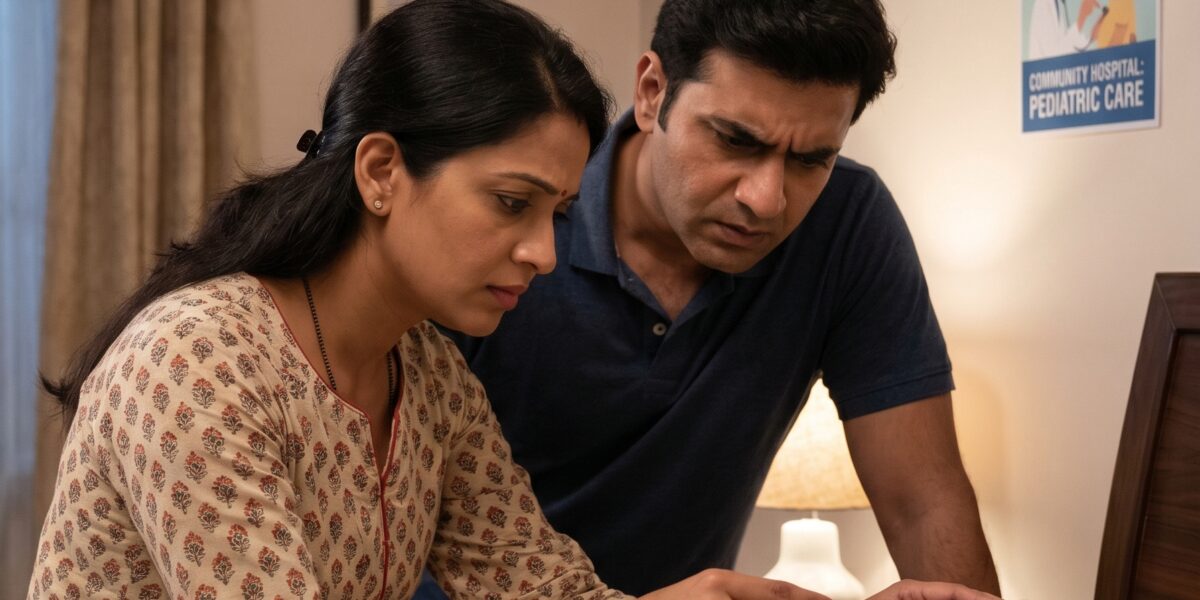
Fever in children is common and often not dangerous. However, for parents, it can be stressful—especially when the temperature rises suddenly or doesn’t come down.
While many fevers are part of the body’s natural defense, some can indicate serious infections. Knowing when a child’s fever becomes serious and requires immediate hospital care can make a critical difference.
What is Considered Normal Fever in Children?
A fever is usually defined as a body temperature above 100.4°F (38°C).
Mild to Moderate Fever (Usually Safe)
- 100.4°F to 102°F
- Child is active and responsive
- Eating and drinking normally
👉 These cases can often be managed at home with proper care and monitoring.
When Should Parents Worry About Child Fever?
Not all fevers are harmless. Some situations require immediate attention.
High Fever in Children Symptoms
- Temperature above 102°F (39°C)
- Fever lasting more than 2–3 days
- Child appears weak, irritable, or unusually sleepy
👉 These are early signs that the fever may not be routine.
Danger Signs of Fever in Children
Sometimes, the symptoms accompanying fever are more important than the temperature itself.
When to Take Child to Hospital for Fever
- Fever above 104°F (40°C)
- Seizures (fits)
- Difficulty breathing
- Continuous vomiting or refusal to drink fluids
- Rash along with fever
- Signs of dehydration (dry lips, no urination)
- Child is unresponsive or excessively drowsy
👉 These are fever danger signs in children that require immediate medical care.
Fever in Infants: A Medical Emergency
Special Attention for Babies Under 3 Months
Even a mild fever in newborns can indicate a serious infection.
👉 If your baby has any fever, visit a hospital in Sonipat immediately without delay.
Common Causes of Fever in Children
Fever can occur due to several reasons:
Typical Causes
- Viral infections (cold, flu)
- Bacterial infections
- Ear or throat infections
- Seasonal illnesses
While many are mild, some infections can become serious if not treated on time.
Why You Should Not Delay Treatment
Delaying medical care can lead to:
- Severe infections
- Dehydration
- Febrile seizures
- Complications affecting other organs
👉 Early diagnosis ensures faster recovery and reduces risks.
How Fever in Children Is Diagnosed
When you visit a hospital in Sonipat for fever, doctors may recommend:
Basic Evaluation
- Temperature monitoring
- Physical examination
- Blood tests (if needed)
- Infection screening
This helps identify the exact cause and start the right treatment.
Fever in Kids Treatment: What to Expect
Treatment depends on the cause and severity.
Common Treatment Approaches
- Fever-reducing medications
- Fluids and hydration support
- Antibiotics (if bacterial infection)
- Observation and monitoring
👉 In serious cases, hospital care may be required.
What Parents Should Do When Child Has Fever
Immediate Steps at Home
- Keep the child hydrated
- Monitor temperature regularly
- Give prescribed medication
- Ensure rest
Avoid These Mistakes
- Self-medicating without guidance
- Ignoring persistent fever
- Waiting too long to seek help
When to Visit a Child Specialist in Sonipat
You should consult a child specialist in Sonipat if:
- Fever persists beyond 2–3 days
- Symptoms worsen
- Child shows unusual behavior
- You are unsure about the severity
👉 It’s always better to act early than take risks.
Conclusion
Fever in children is common, but knowing when to worry is essential for every parent.
By recognizing high fever in children symptoms and understanding the danger signs, you can take timely action and protect your child’s health.
When in doubt, always choose medical care over waiting.
Frequently Asked Questions (FAQs)
When should I take my child to the hospital for fever?
If fever is above 104°F, lasts more than 2–3 days, or is accompanied by serious symptoms.
Is 102°F fever dangerous for a child?
Not always, but it should be monitored closely for additional warning signs.
What are fever danger signs in children?
Seizures, breathing difficulty, dehydration, and unresponsiveness.
Can fever in children go away on its own?
Yes, mild fevers often resolve naturally, but monitoring is important.
Should I consult a pediatric doctor for fever?
Yes, especially if symptoms persist or worsen.