Early Signs of Pregnancy: Symptoms and When to Consult a Gynecologist
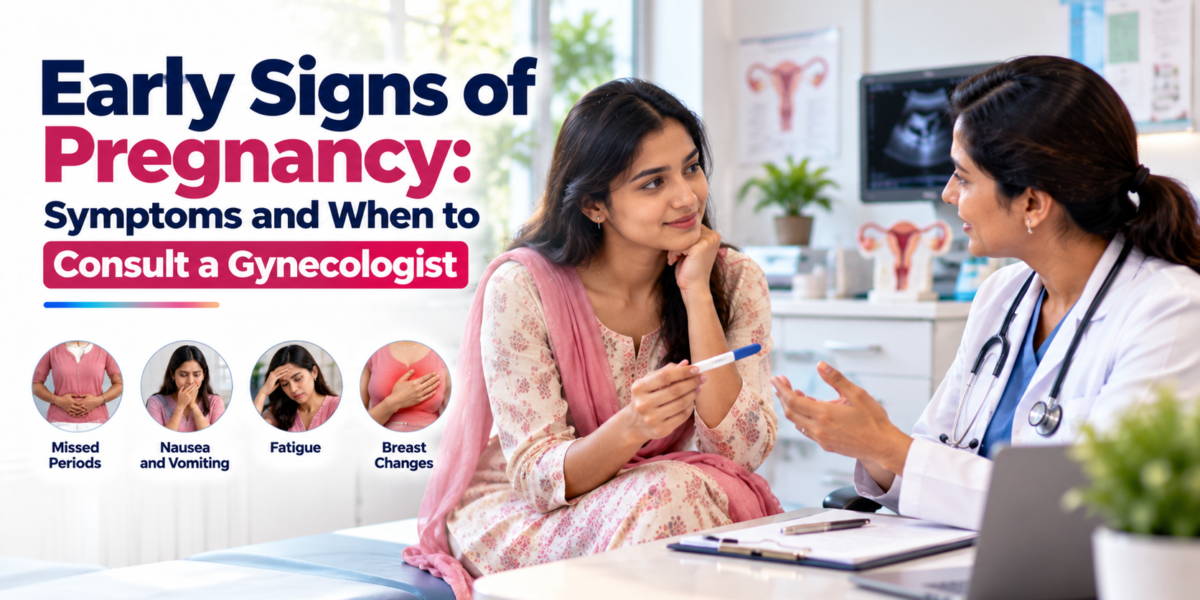
Discovering that you might be pregnant can bring a mix of excitement, hope, and uncertainty. Recognizing the early signs of pregnancy can help you understand the changes happening in your body and decide when to take a pregnancy test or consult a gynecologist.
Some women notice symptoms within the first few weeks of pregnancy, while others experience very few noticeable changes. Missed periods, breast tenderness, nausea, fatigue, and frequent urination are common early pregnancy symptoms. However, these symptoms can also occur due to hormonal changes, stress, or other health conditions.
If you suspect you may be pregnant, understanding the symptoms, confirming your pregnancy at the right time, and seeking appropriate medical guidance can help you take the next steps with confidence.
Women living in Sonipat, including Model Town, Sector 7, Sector 8, Sector 12, Sector 14, Sector 15, Sector 23, Sector 27, Sector 30, Murthal, Ganaur, Gohana, Kharkhoda, Kundli, and nearby localities, can consult a qualified gynecologist for pregnancy confirmation and early prenatal care.
What Are the Early Signs of Pregnancy?
The early signs of pregnancy are physical and hormonal changes that may occur after conception. They vary from woman to woman and may begin before or around the time of a missed period.
Some of the most common early pregnancy symptoms include:
- A missed or unusually light period
- Tender, swollen, or sensitive breasts
- Nausea, sometimes with vomiting
- Unusual tiredness or fatigue
- Frequent urination
- Mild abdominal cramping
- Light spotting
- Bloating and constipation
- Changes in smell or food preferences
- Mood changes
- Increased vaginal discharge without an unusual odor, itching, or irritation
Experiencing one or more of these symptoms does not necessarily mean you are pregnant. A home pregnancy test and, when appropriate, a consultation with a gynecologist can help confirm the cause.
What Are the 7 Most Common Early Signs of Pregnancy?
1. Is a Missed Period One of the First Signs of Pregnancy?
A missed period is one of the most recognizable early signs of pregnancy, particularly if your menstrual cycle is usually regular.
After conception, pregnancy hormones help maintain the uterine lining, preventing the usual menstrual period. However, a delayed period can also result from stress, hormonal imbalances, thyroid problems, significant weight changes, or irregular ovulation.
If your period is late and pregnancy is possible, consider taking a home pregnancy test.
2. Can Breast Tenderness Indicate Early Pregnancy?
Breast tenderness, swelling, heaviness, or sensitivity can develop during early pregnancy as estrogen and progesterone levels change.
Your breasts may feel similar to how they feel before menstruation, although the sensations may be more noticeable or last longer. Some women also notice darker nipples or more visible veins.
Breast tenderness alone cannot confirm pregnancy because it is also a common premenstrual symptom.
3. Is Nausea an Early Sign of Pregnancy?
Nausea, commonly called morning sickness, is a well-known pregnancy symptom. Despite its name, it can occur at any time of the day or night.
Pregnancy-related nausea often begins around the fifth or sixth week of pregnancy, although timing varies. Some women experience vomiting, while others feel only mild queasiness or sensitivity to certain smells.
To help manage mild nausea:
- Eat small, frequent meals.
- Drink fluids regularly in small amounts if needed.
- Identify and avoid foods or smells that trigger symptoms.
- Choose simple foods that you can tolerate.
Consult a gynecologist if nausea is severe or persistent. Seek prompt medical care if you cannot keep fluids down, urinate very little, or experience signs of dehydration.
4. Can Extreme Tiredness Be an Early Pregnancy Symptom?
Unusual tiredness is common during early pregnancy. Hormonal changes, including increased progesterone, can contribute to fatigue even when you have had adequate sleep.
You may feel sleepy during the day, become tired more quickly during routine activities, or need more rest than usual.
Getting sufficient sleep, eating balanced meals, drinking enough water, and allowing time for rest may help. Persistent or severe fatigue should be discussed with a healthcare professional, especially if accompanied by dizziness, breathlessness, or other concerning symptoms.
5. Why Does Frequent Urination Occur in Early Pregnancy?
Some women notice that they need to urinate more frequently during early pregnancy. Hormonal changes and increased blood flow to the kidneys contribute to this symptom.
Frequent urination can occur before a missed period, but it is not a reliable way to determine whether you are pregnant.
Do not ignore burning during urination, fever, blood in the urine, or pain in the back or side. These symptoms may indicate a urinary tract infection and require medical assessment.
6. Is Light Spotting Normal in Early Pregnancy?
Some women experience light spotting during early pregnancy. It may appear pink, red, or brown and can occur around the time a period is expected.
Light spotting is sometimes associated with early pregnancy, but it does not confirm pregnancy or establish that the pregnancy is healthy. Bleeding can have several causes, including cervical changes, miscarriage, or ectopic pregnancy.
If you experience bleeding after a positive pregnancy test, contact a healthcare professional for advice. Seek emergency care for heavy bleeding, severe abdominal pain, fainting, or significant dizziness.
7. Can Bloating, Cramping, and Mood Swings Be Signs of Pregnancy?
Hormonal changes can affect digestion, cause bloating, and contribute to mild abdominal discomfort or mood changes.
These symptoms can resemble premenstrual syndrome, making it difficult to distinguish early pregnancy from an approaching period.
Mild, short-lived discomfort may occur during early pregnancy. However, severe or persistent abdominal pain, particularly on one side, should never be dismissed as a normal pregnancy symptom.
When Do Early Pregnancy Symptoms Start?
Pregnancy symptoms do not begin at the same time for everyone. Some women notice changes early, while others do not experience recognizable symptoms until several weeks into pregnancy.
A general timeline is outlined below. Individual experiences may differ.
- Around the time of a missed period: A missed period may be the first noticeable sign. Breast tenderness, fatigue, or mild cramping may also occur.
- Around weeks 4–6: Nausea, increased urination, tiredness, and breast changes may become more noticeable.
- Around weeks 6–8: Nausea and sensitivity to smells may continue or increase, although some women have few symptoms.
- Throughout the first trimester: Symptoms may fluctuate, improve, or develop gradually.
Pregnancy is usually dated from the first day of your last menstrual period, rather than the date of conception. Therefore, by the time your period is missed, a pregnancy is often counted as approximately four weeks along.
Important: The absence of symptoms does not rule out pregnancy, and the presence of symptoms does not confirm it.
How Can You Confirm Pregnancy at Home?
A home pregnancy test detects human chorionic gonadotropin (hCG), a hormone produced during pregnancy.
For the most reliable result:
- Take a home pregnancy test from the first day of your missed period.
- Follow the instructions on the test kit carefully.
- If you are testing very early, consider using your first-morning urine.
- If the result is negative but your period still does not arrive, repeat the test after a few days.
- If your period remains absent or you continue to suspect pregnancy, consult a gynecologist.
If you do not know when your next period is due, the NHS advises testing at least 21 days after your last unprotected sexual intercourse.
A positive home pregnancy test usually indicates pregnancy, but medical assessment may be needed to determine the next steps. A gynecologist may recommend a urine test, blood hCG test, or ultrasound depending on your symptoms and how far along the pregnancy may be.
An ultrasound performed too early may not yet show a pregnancy. Your clinician can advise on appropriate timing.
When Should You Consult a Gynecologist for Early Pregnancy Symptoms?
Consulting a gynecologist can help confirm pregnancy, assess symptoms, review medications, and plan appropriate prenatal care.
Consider arranging an appointment if:
- Your period is late and your pregnancy test is positive.
- You have pregnancy symptoms but your test results are unclear.
- Your periods are irregular and you are unsure when to test.
- You experience spotting or vaginal bleeding.
- You have a history of ectopic pregnancy, recurrent miscarriage, or other pregnancy-related complications.
- You have a chronic medical condition or take prescription medication and may be pregnant.
- You need guidance about folic acid, nutrition, lifestyle, or early pregnancy care.
It is generally advisable to arrange prenatal care soon after confirming pregnancy rather than waiting for symptoms to become more noticeable.
Which Early Pregnancy Symptoms Need Urgent Medical Attention?
Some symptoms can indicate a potentially serious complication and require urgent assessment.
Seek emergency medical care if you experience:
- Severe or worsening abdominal or pelvic pain, especially on one side.
- Shoulder-tip pain accompanied by abdominal pain or other concerning symptoms.
- Heavy vaginal bleeding.
- Fainting, collapse, or severe dizziness.
- Severe abdominal pain with weakness or a feeling that you may pass out.
These symptoms can occur with an ectopic pregnancy or other serious conditions. An ectopic pregnancy develops outside the uterus and can become life-threatening if it ruptures.
Do not wait for a positive pregnancy test before seeking emergency care if you have these warning signs.
What Should You Do After a Positive Pregnancy Test?
Once a pregnancy test is positive, taking a few practical steps can support your health and help you prepare for prenatal care.
Schedule an Early Pregnancy Consultation
Arrange an appointment with a qualified gynecologist to review your medical history, discuss symptoms, and determine whether any tests or an ultrasound are appropriate.
Start Appropriate Prenatal Nutrition
Ask your healthcare professional about folic acid supplementation. For most women planning a pregnancy or who may become pregnant, 400 micrograms of folic acid daily is recommended, beginning before conception and continuing through the first 12 weeks of pregnancy. Some women need a higher dose because of specific risk factors or medications, so follow individualized medical advice.
Review Your Medications
Do not start, stop, or change prescribed medication without consulting your healthcare professional. Some medicines require adjustment during pregnancy, while abruptly stopping others may be harmful.
Follow Healthy Daily Habits
Eat a balanced diet, stay hydrated, avoid alcohol and smoking, and discuss suitable physical activity with your healthcare professional. Avoid taking supplements or herbal remedies marketed for pregnancy without checking their safety.
Keep Track of Symptoms
Record the date of your last menstrual period, pregnancy test results, any bleeding or pain, and the medications you take. This information can help your gynecologist provide appropriate guidance.
Where Can You Consult a Gynecologist in Sonipat?
If you suspect pregnancy and need professional guidance, arranging a consultation with a qualified gynecologist can help you obtain a clearer understanding of your symptoms and the appropriate next steps.
Women from Model Town Sonipat, Sector 7, Sector 8, Sector 12, Sector 14, Sector 15, Sector 23, Sector 27, Sector 30, Sikka Colony, Patel Nagar, Adarsh Nagar, Atlas Road, Subhash Chowk, Geeta Bhawan Chowk, Old Chowk, Kakroi Road, Gohana Road, Murthal Road, Kundli, Rai, Ganaur, Gohana, Kharkhoda, Murthal, and surrounding communities can look for accessible gynecological care based on their individual needs.
Aneja Hospitals is the hospital website provided for this article. Visit https://anejahospitals.com/ to explore available services and contact the hospital to confirm gynecology consultation availability, appointment timings, and pregnancy-care services.
When booking, explain whether you have a positive pregnancy test, a missed period, bleeding, abdominal pain, or other symptoms so the care team can advise you appropriately. For emergency warning signs, go to the nearest emergency department rather than waiting for a routine appointment.
Frequently Asked Questions About Early Signs of Pregnancy
What are the earliest signs of pregnancy before a missed period?
Some women experience breast tenderness, fatigue, bloating, mild cramping, or nausea before a missed period. However, these symptoms overlap with premenstrual symptoms and cannot confirm pregnancy. A pregnancy test is the most practical way to check.
Can you have early pregnancy symptoms and still get a negative pregnancy test?
Yes. Testing too early may produce a false-negative result because hCG levels may not yet be high enough to detect. Repeat the test after a few days if your period has not arrived, and consult a gynecologist if uncertainty continues.
How soon can a pregnancy test detect pregnancy?
Many home pregnancy tests can detect pregnancy from the first day of a missed period. Testing earlier may give a negative result even if pregnancy has occurred. Follow the kit instructions and repeat the test if necessary.
Can pregnancy symptoms start within one week of conception?
Some people notice changes early, but recognizable pregnancy symptoms within the first week after conception are not reliable indicators. Many symptoms develop around the time of a missed period or later.
Is white discharge an early sign of pregnancy?
Increased thin, clear, or milky-white vaginal discharge can occur during pregnancy. It is not a reliable confirmation of pregnancy. Discharge accompanied by a strong odor, itching, irritation, or pain should be assessed by a healthcare professional.
Can you be pregnant without nausea or vomiting?
Yes. Not every pregnant woman experiences nausea or vomiting. The severity and timing of symptoms vary, and the absence of morning sickness does not mean a pregnancy is unhealthy.
Is mild cramping normal in early pregnancy?
Mild cramping can occur in early pregnancy, but it can also have other causes. Severe, worsening, or one-sided pain, especially with bleeding, dizziness, or fainting, requires urgent medical assessment.
When should I book my first gynecologist appointment after a positive pregnancy test?
Arrange an appointment soon after confirming pregnancy. Your gynecologist can review your medical history, advise on prenatal supplements, assess symptoms, and recommend appropriate tests and ultrasound timing.
Can stress delay a period and mimic early pregnancy symptoms?
Yes. Stress can affect menstrual cycles, and symptoms such as fatigue, bloating, and breast tenderness can overlap with early pregnancy. If pregnancy is possible, take a pregnancy test rather than assuming stress is the cause.
Where can I consult a gynecologist for pregnancy confirmation in Sonipat?
You can explore the services listed on the Aneja Hospitals website and contact the hospital to confirm gynecology appointment availability and pregnancy-confirmation services. Seek urgent care for severe pain, heavy bleeding, fainting, or other emergency symptoms.
Conclusion
Recognizing the early signs of pregnancy can help you decide when to take a pregnancy test and seek medical guidance. A missed period, breast tenderness, nausea, fatigue, and frequent urination are common symptoms, but none can confirm pregnancy on its own.
If you suspect you may be pregnant, take a home pregnancy test at the appropriate time and arrange a consultation with a qualified gynecologist if the result is positive or uncertainty persists. Seek emergency care for severe abdominal pain, heavy bleeding, fainting, or other serious warning signs.
For women in Sonipat and nearby areas, visit Aneja Hospitals online to learn about available hospital services and confirm how to arrange a gynecology consultation.
Your health and peace of mind matter. Timely medical advice can help you take your next steps with greater confidence.
Early Signs of Pregnancy: Symptoms and When to Consult a Gynecologist
Discovering that you might be pregnant can bring a mix of excitement, hope, and uncertainty. Recognizing the early signs of pregnancy can help you understand the changes happening in your body and decide when to take a pregnancy test or consult a gynecologist.
Some women notice symptoms within the first few weeks of pregnancy, while others experience very few noticeable changes. Missed periods, breast tenderness, nausea, fatigue, and frequent urination are common early pregnancy symptoms. However, these symptoms can also occur due to hormonal changes, stress, or other health conditions.
If you suspect you may be pregnant, understanding the symptoms, confirming your pregnancy at the right time, and seeking appropriate medical guidance can help you take the next steps with confidence.
Women living in Sonipat, including Model Town, Sector 7, Sector 8, Sector 12, Sector 14, Sector 15, Sector 23, Sector 27, Sector 30, Murthal, Ganaur, Gohana, Kharkhoda, Kundli, and nearby localities, can consult a qualified gynecologist for pregnancy confirmation and early prenatal care.
What Are the Early Signs of Pregnancy?
The early signs of pregnancy are physical and hormonal changes that may occur after conception. They vary from woman to woman and may begin before or around the time of a missed period.
Some of the most common early pregnancy symptoms include:
- A missed or unusually light period
- Tender, swollen, or sensitive breasts
- Nausea, sometimes with vomiting
- Unusual tiredness or fatigue
- Frequent urination
- Mild abdominal cramping
- Light spotting
- Bloating and constipation
- Changes in smell or food preferences
- Mood changes
- Increased vaginal discharge without an unusual odor, itching, or irritation
Experiencing one or more of these symptoms does not necessarily mean you are pregnant. A home pregnancy test and, when appropriate, a consultation with a gynecologist can help confirm the cause.
What Are the 7 Most Common Early Signs of Pregnancy?
1. Is a Missed Period One of the First Signs of Pregnancy?
A missed period is one of the most recognizable early signs of pregnancy, particularly if your menstrual cycle is usually regular.
After conception, pregnancy hormones help maintain the uterine lining, preventing the usual menstrual period. However, a delayed period can also result from stress, hormonal imbalances, thyroid problems, significant weight changes, or irregular ovulation.
If your period is late and pregnancy is possible, consider taking a home pregnancy test.
2. Can Breast Tenderness Indicate Early Pregnancy?
Breast tenderness, swelling, heaviness, or sensitivity can develop during early pregnancy as estrogen and progesterone levels change.
Your breasts may feel similar to how they feel before menstruation, although the sensations may be more noticeable or last longer. Some women also notice darker nipples or more visible veins.
Breast tenderness alone cannot confirm pregnancy because it is also a common premenstrual symptom.
3. Is Nausea an Early Sign of Pregnancy?
Nausea, commonly called morning sickness, is a well-known pregnancy symptom. Despite its name, it can occur at any time of the day or night.
Pregnancy-related nausea often begins around the fifth or sixth week of pregnancy, although timing varies. Some women experience vomiting, while others feel only mild queasiness or sensitivity to certain smells.
To help manage mild nausea:
- Eat small, frequent meals.
- Drink fluids regularly in small amounts if needed.
- Identify and avoid foods or smells that trigger symptoms.
- Choose simple foods that you can tolerate.
Consult a gynecologist if nausea is severe or persistent. Seek prompt medical care if you cannot keep fluids down, urinate very little, or experience signs of dehydration.
4. Can Extreme Tiredness Be an Early Pregnancy Symptom?
Unusual tiredness is common during early pregnancy. Hormonal changes, including increased progesterone, can contribute to fatigue even when you have had adequate sleep.
You may feel sleepy during the day, become tired more quickly during routine activities, or need more rest than usual.
Getting sufficient sleep, eating balanced meals, drinking enough water, and allowing time for rest may help. Persistent or severe fatigue should be discussed with a healthcare professional, especially if accompanied by dizziness, breathlessness, or other concerning symptoms.
5. Why Does Frequent Urination Occur in Early Pregnancy?
Some women notice that they need to urinate more frequently during early pregnancy. Hormonal changes and increased blood flow to the kidneys contribute to this symptom.
Frequent urination can occur before a missed period, but it is not a reliable way to determine whether you are pregnant.
Do not ignore burning during urination, fever, blood in the urine, or pain in the back or side. These symptoms may indicate a urinary tract infection and require medical assessment.
6. Is Light Spotting Normal in Early Pregnancy?
Some women experience light spotting during early pregnancy. It may appear pink, red, or brown and can occur around the time a period is expected.
Light spotting is sometimes associated with early pregnancy, but it does not confirm pregnancy or establish that the pregnancy is healthy. Bleeding can have several causes, including cervical changes, miscarriage, or ectopic pregnancy.
If you experience bleeding after a positive pregnancy test, contact a healthcare professional for advice. Seek emergency care for heavy bleeding, severe abdominal pain, fainting, or significant dizziness.
7. Can Bloating, Cramping, and Mood Swings Be Signs of Pregnancy?
Hormonal changes can affect digestion, cause bloating, and contribute to mild abdominal discomfort or mood changes.
These symptoms can resemble premenstrual syndrome, making it difficult to distinguish early pregnancy from an approaching period.
Mild, short-lived discomfort may occur during early pregnancy. However, severe or persistent abdominal pain, particularly on one side, should never be dismissed as a normal pregnancy symptom.
When Do Early Pregnancy Symptoms Start?
Pregnancy symptoms do not begin at the same time for everyone. Some women notice changes early, while others do not experience recognizable symptoms until several weeks into pregnancy.
A general timeline is outlined below. Individual experiences may differ.
- Around the time of a missed period: A missed period may be the first noticeable sign. Breast tenderness, fatigue, or mild cramping may also occur.
- Around weeks 4–6: Nausea, increased urination, tiredness, and breast changes may become more noticeable.
- Around weeks 6–8: Nausea and sensitivity to smells may continue or increase, although some women have few symptoms.
- Throughout the first trimester: Symptoms may fluctuate, improve, or develop gradually.
Pregnancy is usually dated from the first day of your last menstrual period, rather than the date of conception. Therefore, by the time your period is missed, a pregnancy is often counted as approximately four weeks along.
Important: The absence of symptoms does not rule out pregnancy, and the presence of symptoms does not confirm it.
How Can You Confirm Pregnancy at Home?
A home pregnancy test detects human chorionic gonadotropin (hCG), a hormone produced during pregnancy.
For the most reliable result:
- Take a home pregnancy test from the first day of your missed period.
- Follow the instructions on the test kit carefully.
- If you are testing very early, consider using your first-morning urine.
- If the result is negative but your period still does not arrive, repeat the test after a few days.
- If your period remains absent or you continue to suspect pregnancy, consult a gynecologist.
If you do not know when your next period is due, the NHS advises testing at least 21 days after your last unprotected sexual intercourse.
A positive home pregnancy test usually indicates pregnancy, but medical assessment may be needed to determine the next steps. A gynecologist may recommend a urine test, blood hCG test, or ultrasound depending on your symptoms and how far along the pregnancy may be.
An ultrasound performed too early may not yet show a pregnancy. Your clinician can advise on appropriate timing.
When Should You Consult a Gynecologist for Early Pregnancy Symptoms?
Consulting a gynecologist can help confirm pregnancy, assess symptoms, review medications, and plan appropriate prenatal care.
Consider arranging an appointment if:
- Your period is late and your pregnancy test is positive.
- You have pregnancy symptoms but your test results are unclear.
- Your periods are irregular and you are unsure when to test.
- You experience spotting or vaginal bleeding.
- You have a history of ectopic pregnancy, recurrent miscarriage, or other pregnancy-related complications.
- You have a chronic medical condition or take prescription medication and may be pregnant.
- You need guidance about folic acid, nutrition, lifestyle, or early pregnancy care.
It is generally advisable to arrange prenatal care soon after confirming pregnancy rather than waiting for symptoms to become more noticeable.
Which Early Pregnancy Symptoms Need Urgent Medical Attention?
Some symptoms can indicate a potentially serious complication and require urgent assessment.
Seek emergency medical care if you experience:
- Severe or worsening abdominal or pelvic pain, especially on one side.
- Shoulder-tip pain accompanied by abdominal pain or other concerning symptoms.
- Heavy vaginal bleeding.
- Fainting, collapse, or severe dizziness.
- Severe abdominal pain with weakness or a feeling that you may pass out.
These symptoms can occur with an ectopic pregnancy or other serious conditions. An ectopic pregnancy develops outside the uterus and can become life-threatening if it ruptures.
Do not wait for a positive pregnancy test before seeking emergency care if you have these warning signs.
What Should You Do After a Positive Pregnancy Test?
Once a pregnancy test is positive, taking a few practical steps can support your health and help you prepare for prenatal care.
Schedule an Early Pregnancy Consultation
Arrange an appointment with a qualified gynecologist to review your medical history, discuss symptoms, and determine whether any tests or an ultrasound are appropriate.
Start Appropriate Prenatal Nutrition
Ask your healthcare professional about folic acid supplementation. For most women planning a pregnancy or who may become pregnant, 400 micrograms of folic acid daily is recommended, beginning before conception and continuing through the first 12 weeks of pregnancy. Some women need a higher dose because of specific risk factors or medications, so follow individualized medical advice.
Review Your Medications
Do not start, stop, or change prescribed medication without consulting your healthcare professional. Some medicines require adjustment during pregnancy, while abruptly stopping others may be harmful.
Follow Healthy Daily Habits
Eat a balanced diet, stay hydrated, avoid alcohol and smoking, and discuss suitable physical activity with your healthcare professional. Avoid taking supplements or herbal remedies marketed for pregnancy without checking their safety.
Keep Track of Symptoms
Record the date of your last menstrual period, pregnancy test results, any bleeding or pain, and the medications you take. This information can help your gynecologist provide appropriate guidance.
Where Can You Consult a Gynecologist in Sonipat?
If you suspect pregnancy and need professional guidance, arranging a consultation with a qualified gynecologist can help you obtain a clearer understanding of your symptoms and the appropriate next steps.
Women from Model Town Sonipat, Sector 7, Sector 8, Sector 12, Sector 14, Sector 15, Sector 23, Sector 27, Sector 30, Sikka Colony, Patel Nagar, Adarsh Nagar, Atlas Road, Subhash Chowk, Geeta Bhawan Chowk, Old Chowk, Kakroi Road, Gohana Road, Murthal Road, Kundli, Rai, Ganaur, Gohana, Kharkhoda, Murthal, and surrounding communities can look for accessible gynecological care based on their individual needs.
Aneja Hospitals is the hospital website provided for this article. Visit https://anejahospitals.com/ to explore available services and contact the hospital to confirm gynecology consultation availability, appointment timings, and pregnancy-care services.
When booking, explain whether you have a positive pregnancy test, a missed period, bleeding, abdominal pain, or other symptoms so the care team can advise you appropriately. For emergency warning signs, go to the nearest emergency department rather than waiting for a routine appointment.
Frequently Asked Questions About Early Signs of Pregnancy
What are the earliest signs of pregnancy before a missed period?
Some women experience breast tenderness, fatigue, bloating, mild cramping, or nausea before a missed period. However, these symptoms overlap with premenstrual symptoms and cannot confirm pregnancy. A pregnancy test is the most practical way to check.
Can you have early pregnancy symptoms and still get a negative pregnancy test?
Yes. Testing too early may produce a false-negative result because hCG levels may not yet be high enough to detect. Repeat the test after a few days if your period has not arrived, and consult a gynecologist if uncertainty continues.
How soon can a pregnancy test detect pregnancy?
Many home pregnancy tests can detect pregnancy from the first day of a missed period. Testing earlier may give a negative result even if pregnancy has occurred. Follow the kit instructions and repeat the test if necessary.
Can pregnancy symptoms start within one week of conception?
Some people notice changes early, but recognizable pregnancy symptoms within the first week after conception are not reliable indicators. Many symptoms develop around the time of a missed period or later.
Is white discharge an early sign of pregnancy?
Increased thin, clear, or milky-white vaginal discharge can occur during pregnancy. It is not a reliable confirmation of pregnancy. Discharge accompanied by a strong odor, itching, irritation, or pain should be assessed by a healthcare professional.
Can you be pregnant without nausea or vomiting?
Yes. Not every pregnant woman experiences nausea or vomiting. The severity and timing of symptoms vary, and the absence of morning sickness does not mean a pregnancy is unhealthy.
Is mild cramping normal in early pregnancy?
Mild cramping can occur in early pregnancy, but it can also have other causes. Severe, worsening, or one-sided pain, especially with bleeding, dizziness, or fainting, requires urgent medical assessment.
When should I book my first gynecologist appointment after a positive pregnancy test?
Arrange an appointment soon after confirming pregnancy. Your gynecologist can review your medical history, advise on prenatal supplements, assess symptoms, and recommend appropriate tests and ultrasound timing.
Can stress delay a period and mimic early pregnancy symptoms?
Yes. Stress can affect menstrual cycles, and symptoms such as fatigue, bloating, and breast tenderness can overlap with early pregnancy. If pregnancy is possible, take a pregnancy test rather than assuming stress is the cause.
Where can I consult a gynecologist for pregnancy confirmation in Sonipat?
You can explore the services listed on the Aneja Hospitals website and contact the hospital to confirm gynecology appointment availability and pregnancy-confirmation services. Seek urgent care for severe pain, heavy bleeding, fainting, or other emergency symptoms.
Conclusion
Recognizing the early signs of pregnancy can help you decide when to take a pregnancy test and seek medical guidance. A missed period, breast tenderness, nausea, fatigue, and frequent urination are common symptoms, but none can confirm pregnancy on its own.
If you suspect you may be pregnant, take a home pregnancy test at the appropriate time and arrange a consultation with a qualified gynecologist if the result is positive or uncertainty persists. Seek emergency care for severe abdominal pain, heavy bleeding, fainting, or other serious warning signs.
For women in Sonipat and nearby areas, visit Aneja Hospitals online to learn about available hospital services and confirm how to arrange a gynecology consultation.
Your health and peace of mind matter. Timely medical advice can help you take your next steps with greater confidence.