How Our Dermatology Department Treats Acne & Pigmentation
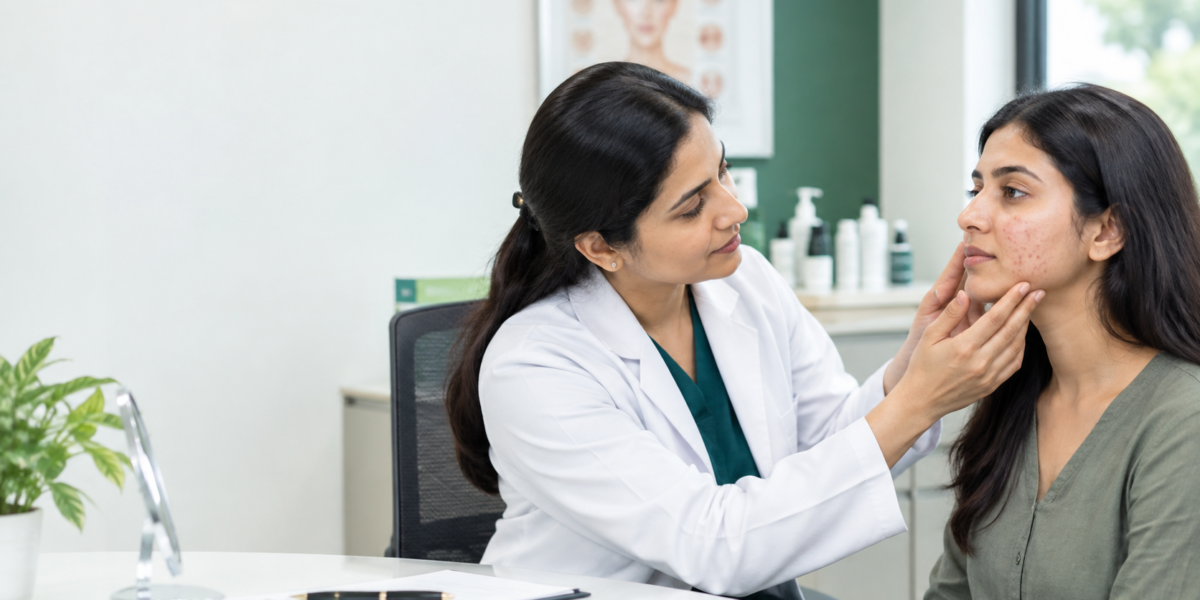
Acne and pigmentation are two of the most common skin concerns affecting teenagers and adults. While acne can cause pimples, inflammation, and discomfort, pigmentation may leave behind dark spots, uneven skin tone, and marks that affect a person’s confidence. These concerns can develop due to hormonal changes, excess oil production, sun exposure, inflammation, and other underlying factors.
At Aneja & Bhogal Multispeciality Hospital, Sonipat, our dermatology department focuses on understanding each patient’s skin condition and providing personalized treatment based on their skin type, symptoms, and individual needs.
Whether you are struggling with persistent acne, acne scars, dark spots, or uneven pigmentation, consulting a qualified dermatologist can help you understand your condition and explore suitable treatment options.
Understanding Acne and Pigmentation
Before discussing treatment, it is important to understand the difference between acne and pigmentation.
What Is Acne?
Acne is a common skin condition that occurs when hair follicles become clogged with oil (sebum), dead skin cells, and sometimes bacteria. It can appear on the face, forehead, chest, shoulders, and back.
Common types of acne include:
- Whiteheads and blackheads: Non-inflammatory clogged pores.
- Papules and pustules: Red, inflamed pimples that may contain pus.
- Nodules and cysts: Deeper, painful acne lesions that may increase the risk of scarring.
Acne is often associated with hormonal changes, excess oil production, genetics, and certain medications or skincare products.
Why professional treatment matters: Picking, squeezing, or using unsuitable acne products can worsen inflammation and increase the risk of long-lasting marks or scars.
What Is Pigmentation?
Pigmentation refers to changes in skin color caused by the production or distribution of melanin, the pigment responsible for skin color. Increased pigmentation can lead to dark patches or spots on the skin.
Common pigmentation concerns include:
- Post-inflammatory hyperpigmentation (PIH): Dark spots that develop after acne, irritation, or skin inflammation.
- Melasma: Brown or greyish patches, commonly appearing on the cheeks, forehead, nose, or upper lip.
- Sun-related pigmentation: Dark spots associated with prolonged ultraviolet (UV) exposure.
The correct treatment depends on the cause, depth, skin type, and characteristics of the pigmentation.
How Our Dermatology Department Treats Acne
At Aneja Hospital, the approach to acne treatment begins with understanding the patient’s skin condition and how severe the acne is. Different types of acne require different treatment plans, and not every product or procedure is suitable for every individual.
1. Skin Assessment and Diagnosis
The first step is a thorough evaluation of the skin.
A dermatologist may assess:
- The type and severity of acne.
- Duration of the symptoms.
- Skin type and sensitivity.
- Presence of acne scars or pigmentation.
- Previous skincare products and treatments.
- Possible hormonal or medication-related factors when relevant.
This evaluation helps identify an appropriate treatment approach instead of relying on random skincare remedies.
2. Personalized Acne Treatment
Acne treatment may involve topical medications, oral medicines, or procedures, depending on the severity and individual circumstances.
Topical treatments
Dermatologists may recommend suitable topical options, such as:
- Benzoyl peroxide to help reduce acne-causing bacteria and inflammation.
- Topical retinoids to help prevent clogged pores.
- Azelaic acid for selected patients, particularly when acne and pigmentation occur together.
- Other prescribed medications based on the patient’s condition.
Not every medication is suitable for everyone. A dermatologist should determine the appropriate product, concentration, and usage instructions.
Oral medications
For moderate to severe acne, or acne that does not respond adequately to topical treatment, a dermatologist may consider oral medications. These can include antibiotics or other prescription treatments, depending on the patient’s medical history and treatment needs.
Some medicines require specific precautions, monitoring, or pregnancy-related safety considerations. They should only be used under medical supervision.
3. Managing Acne Scars and Marks
Acne does not always end when pimples disappear. Some patients develop:
- Dark marks after acne.
- Red or persistent post-acne discoloration.
- Depressed acne scars.
- Raised scars in some cases.
The treatment for acne marks is different from the treatment for active acne. A dermatologist may recommend topical treatment, procedures, or a combination approach depending on whether the concern is pigmentation, redness, or actual scarring.
Important: Active acne may need to be controlled before certain scar treatments are considered.
How Our Dermatology Department Treats Pigmentation
Pigmentation treatment starts with identifying the underlying cause. Dark spots caused by acne may require a different approach from melasma or sun-related pigmentation.
1. Identifying the Cause of Pigmentation
During a dermatology consultation, the doctor may evaluate:
- Location and pattern of dark patches.
- Duration and progression of pigmentation.
- History of acne or skin inflammation.
- Sun exposure and skincare habits.
- Hormonal factors, when relevant.
- Previous treatments and skin sensitivity.
Accurate assessment helps prevent the use of unsuitable products that may cause irritation or worsen pigmentation.
2. Medical Treatment for Dark Spots
Depending on the diagnosis, dermatologists may recommend topical ingredients such as:
- Azelaic acid: May help with acne and certain forms of pigmentation.
- Retinoids: Can support skin cell turnover and may help with selected pigmentation concerns.
- Vitamin C: May be used as part of a skincare routine to support antioxidant protection and improve the appearance of uneven skin tone.
- Other prescription treatments: Selected based on the type of pigmentation and the patient’s needs.
Some pigmentation treatments, including prescription lightening agents, require careful medical guidance. Overuse of strong products can lead to irritation and other skin complications.
3. Chemical Peels and Dermatological Procedures
For selected patients, a dermatologist may recommend procedures such as chemical peels or other clinically appropriate treatments.
These procedures may help address certain pigmentation concerns or acne-related skin changes. However, results depend on the diagnosis, skin type, treatment selection, and aftercare.
Why professional supervision is essential: Certain procedures can trigger irritation or worsening pigmentation, particularly in individuals prone to post-inflammatory hyperpigmentation. A dermatologist should assess whether a procedure is appropriate and discuss potential risks.
4. Sun Protection as Part of Pigmentation Care
Sun exposure can worsen certain pigmentation conditions and contribute to the development of dark spots.
A dermatologist may recommend:
- Broad-spectrum sunscreen with suitable SPF.
- Reapplication of sunscreen when appropriate.
- Protective clothing and shade during prolonged sun exposure.
- A gentle skincare routine to reduce irritation.
Sunscreen is an important part of pigmentation management, but the best approach depends on the specific skin condition.
Acne and Pigmentation: Why Treating Both Matters
Many patients experience acne and pigmentation at the same time. For example, an individual may develop dark spots after pimples heal, while ongoing acne continues to create new marks.
A combined treatment approach may involve:
- Controlling active acne and inflammation.
- Preventing new breakouts and minimizing skin irritation.
- Addressing existing pigmentation once the skin is ready.
- Maintaining consistent sun protection and skincare.
- Monitoring progress and adjusting treatment when necessary.
The goal is not just to reduce pimples or lighten marks temporarily, but to support healthier skin through an appropriate, long-term treatment plan.
Treatment timelines vary. Some patients may notice improvement within weeks, while pigmentation and acne scars can require several months or longer. Individual results cannot be guaranteed.
Common Mistakes to Avoid When Treating Acne and Pigmentation
Many people try home remedies or frequently change skincare products in the hope of achieving faster results. However, certain habits may worsen skin concerns.
1. Squeezing Pimples
Picking or squeezing acne can increase inflammation and the risk of post-inflammatory marks and scarring.
2. Using Too Many Active Ingredients
Combining several strong skincare ingredients without guidance may cause irritation, dryness, or damage to the skin barrier.
3. Skipping Sunscreen
Inadequate sun protection can make certain pigmentation concerns more difficult to manage.
4. Expecting Instant Results
Acne and pigmentation often require consistent treatment and patience. Changing products too frequently may make it difficult to determine what is working.
5. Using Steroid-Based Creams Without Medical Advice
Some unregulated or inappropriate skin-lightening products may contain potent steroids or other ingredients that can cause skin problems when misused. Consult a dermatologist before using prescription-strength creams.
When Should You Consult a Dermatologist?
You should consider a dermatology consultation if you experience:
- Persistent or recurring acne.
- Painful, deep, or inflamed pimples.
- Acne that is leaving dark marks or scars.
- Pigmentation that is increasing or changing.
- Dark patches that do not improve with basic skincare.
- Skin irritation after using cosmetic or treatment products.
- Emotional distress or reduced confidence due to skin concerns.
Early assessment may help identify suitable treatment options and reduce the risk of complications associated with untreated or improperly managed skin conditions.
Why Choose Aneja Hospital for Dermatology Care in Sonipat?
At Aneja & Bhogal Multispeciality Hospital, we focus on patient-centered healthcare and helping individuals understand their skin concerns.
Our dermatology consultation can help patients explore:
- Assessment of acne and pigmentation concerns.
- Treatment options based on individual skin needs.
- Guidance on skincare and sun protection.
- Medical advice for persistent or recurring skin problems.
- Follow-up care based on treatment response.
Every patient’s skin is different. A treatment plan should be developed after a proper consultation rather than following a one-size-fits-all approach.
Frequently Asked Questions (FAQs)
1. Can acne cause permanent dark spots?
Acne can lead to post-inflammatory hyperpigmentation, which may fade over time. Some marks can persist for months or longer, particularly without appropriate care. Depressed or raised scars are different from pigmentation and may require separate treatment.
2. How long does pigmentation treatment take?
The timeline depends on the cause, severity, skin type, and treatment plan. Some pigmentation may improve over several weeks or months, while persistent conditions may need longer-term management.
3. Can I treat acne and pigmentation together?
In many cases, acne and pigmentation can be addressed as part of a coordinated treatment plan. A dermatologist can determine which treatments are appropriate and how to use them safely.
4. Is sunscreen necessary if I mostly stay indoors?
Sun protection recommendations depend on your environment, skin condition, and exposure to sunlight. For people managing pigmentation, a dermatologist may recommend regular broad-spectrum sunscreen as part of their care routine.
5. Should I use home remedies for dark spots?
Home remedies may irritate the skin and are not proven to treat every cause of pigmentation. It is better to identify the cause of the dark spots and seek appropriate dermatological guidance.
Consult Our Dermatology Department in Sonipat
Acne and pigmentation can affect more than just your skin. With the right diagnosis, personalized treatment, and consistent care, you can take informed steps toward managing your skin concerns.
If you are experiencing persistent acne, dark spots, or uneven skin tone, consult the dermatology department at Aneja & Bhogal Multispeciality Hospital, Sonipat, for professional guidance.
Your skin deserves the right care—not guesswork.
Aneja & Bhogal Multispeciality Hospital
Dermatology Consultation • Sonipat, Haryana
Delhi Rd, Opposite HUDA Commercial Centre, Sikka Colony, Lakshmi Nagar, Sonipat, Haryana – 131001
099917 88907
Visit Hospital Website