Early Stroke Symptoms Like Numbness or Speech Issues People Must Not Ignore
Stroke is no longer just a condition affecting the elderly. In India, rising stress, lifestyle disorders, and undiagnosed health conditions are increasing the risk even among younger adults. The most dangerous part? Early warning signs are often ignored.
Recognizing early stroke symptoms like numbness or speech issues can mean the difference between full recovery and permanent damage. The body often signals distress before a major stroke—but only if you know what to look for.
What Are Early Stroke Symptoms You Should Never Ignore?
A stroke occurs when blood flow to the brain is disrupted. This can happen due to a clot (ischemic stroke) or bleeding (hemorrhagic stroke). Early signs appear suddenly and demand immediate attention.
Common early stroke symptoms include:
- Sudden numbness or weakness (especially on one side of the body)
- Difficulty speaking or slurred speech
- Confusion or trouble understanding words
- Sudden vision problems in one or both eyes
- Severe headache with no known cause
- Loss of balance or coordination
These are not random symptoms—they are neurological red flags.
Why Numbness Is One of the Most Dangerous Early Stroke Symptoms
Numbness is often dismissed as fatigue, poor posture, or nerve compression. That assumption can be risky.
How does stroke-related numbness feel?
- Sudden onset (not gradual)
- Usually affects one side (face, arm, or leg)
- May feel like weakness, not just tingling
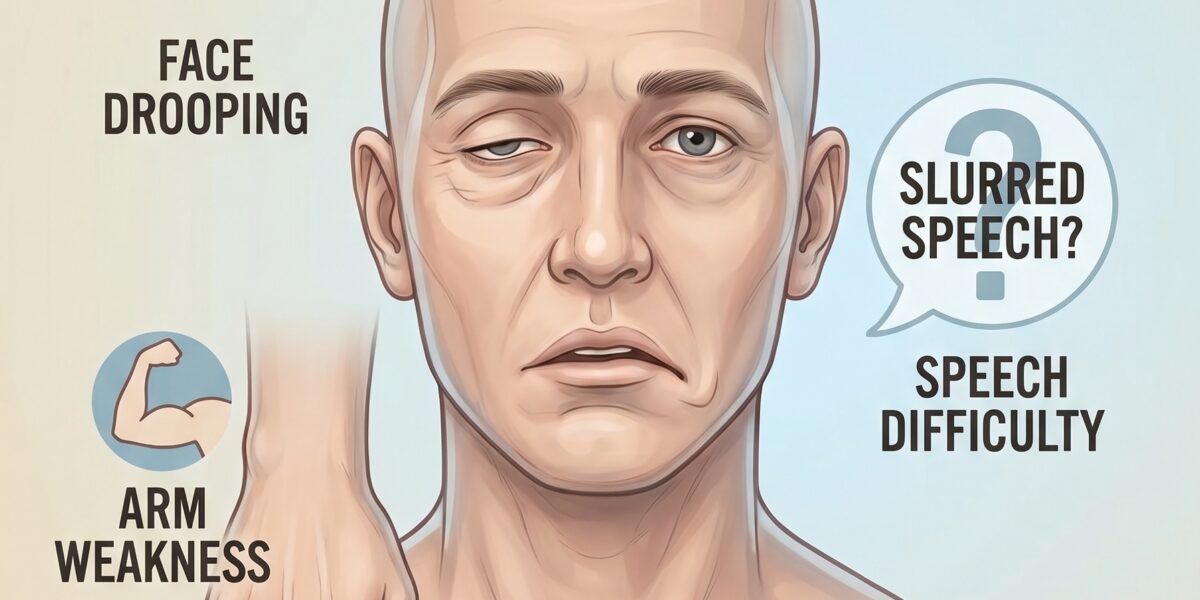
- Can be accompanied by facial drooping
If numbness appears out of nowhere, especially on one side, it’s not something to “wait and watch.”
How Speech Problems Signal an Incoming Stroke
Speech issues are one of the clearest indicators of a stroke.
Warning signs include:
- Slurred or unclear speech
- Difficulty forming sentences
- Saying incorrect or meaningless words
- Trouble understanding simple instructions
These symptoms occur because stroke affects areas of the brain responsible for language and communication.
What Causes Early Stroke Symptoms in Younger Adults?
This is where most people underestimate their risk.
Common causes include:
- High blood pressure (often undiagnosed)
- Diabetes
- Smoking and alcohol consumption
- High cholesterol levels
- Sedentary lifestyle
- Chronic stress
- Obesity
In urban Indian populations, these risk factors are increasingly common—even in people under 40.
Can Stress Alone Trigger Stroke Symptoms?
Stress itself may not directly cause a stroke, but it significantly increases risk factors like hypertension, poor sleep, and unhealthy habits.
Over time, this creates the perfect conditions for a stroke to occur.
Are Early Stroke Symptoms Temporary or Permanent?
Some people experience a Transient Ischemic Attack (TIA)—often called a mini-stroke.
- Symptoms appear and disappear within minutes or hours
- No immediate permanent damage
- But it’s a major warning sign of a future stroke
Ignoring a TIA is one of the biggest mistakes people make.
What Should You Do If You Notice Stroke Symptoms?
Time is critical.
Follow the FAST method:
- Face: Is one side drooping?
- Arms: Can both arms be raised equally?
- Speech: Is speech slurred or strange?
- Time: Seek emergency medical help immediately
Do not wait for symptoms to pass. Immediate intervention can prevent brain damage.
Why Ignoring Early Stroke Symptoms Is Dangerous
The brain begins to lose cells within minutes of oxygen deprivation.
Delaying treatment can lead to:
- Permanent paralysis
- Speech impairment
- Memory loss
- Long-term disability
- Life-threatening complications
Early recognition dramatically improves survival and recovery rates.
When Should You See a Doctor?
If you or someone around you experiences:
- Sudden numbness
- Speech difficulty
- Confusion or imbalance
Treat it as a medical emergency.
Even if symptoms disappear, consult a specialist immediately to rule out underlying risks.
Don’t Wait for a Major Stroke
If you’re experiencing warning signs or have risk factors like high blood pressure or diabetes, getting evaluated early can save your life.
Book a consultation with a qualified medical professional and assess your stroke risk before it becomes critical.
Frequently Asked Questions
What is the first sign of a stroke?
The most common first sign is sudden numbness or weakness on one side of the body, especially in the face or arm.
Can stroke symptoms go away on their own?
Yes, in cases of mini-stroke (TIA), symptoms may disappear—but this is a serious warning sign and requires immediate medical attention.
How quickly should you act during a stroke?
Within minutes. The earlier treatment begins, the better the chances of recovery.
Are young people at risk of stroke?
Yes, especially with rising lifestyle-related conditions like stress, obesity, and hypertension.
Can speech problems always indicate a stroke?
Not always, but sudden speech difficulty combined with other symptoms is a strong indicator of a stroke.