Essential Precautions for Safe Pregnancy and Healthy Baby Development Stages
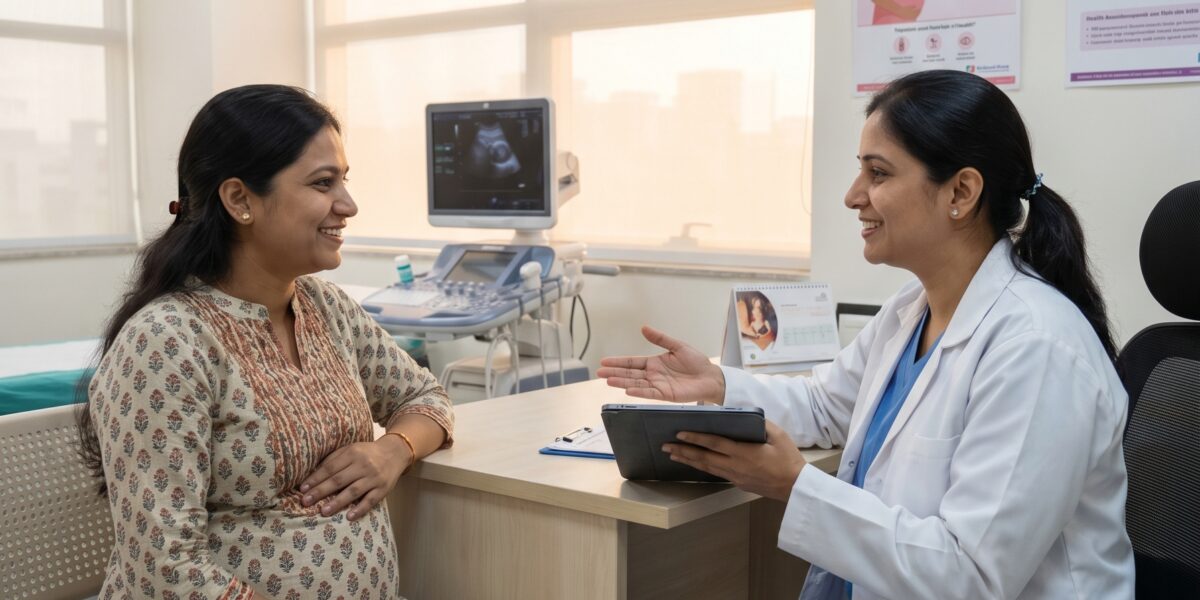
Pregnancy is a critical phase that requires careful attention, medical guidance, and informed lifestyle choices. Understanding essential precautions for safe pregnancy and healthy baby development stages helps ensure both maternal well-being and optimal fetal growth.
For families and first-time parents, the focus should not only be on care at home but also on timely medical supervision, regular prenatal checkups, and expert consultation to avoid complications.
Why Pregnancy Precautions Are Important for Baby Development
Following the right pregnancy precautions directly impacts the healthy baby development stages from conception to delivery.
Proper care helps:
- Reduce risk of complications
- Support fetal brain and organ development
- Ensure safe maternal health
- Detect issues early through clinical evaluation
Ignoring early signs or delaying doctor visits can lead to preventable risks.
First Trimester Precautions (Weeks 1–12)
The first trimester is the most sensitive stage of pregnancy. This is when the baby’s vital organs begin forming.
What precautions should be taken in early pregnancy?
- Start prenatal vitamins (especially folic acid)
- Avoid alcohol, smoking, and harmful medications
- Get an early ultrasound and confirm pregnancy health
- Manage nausea with doctor-approved remedies
- Avoid heavy physical strain
Why is medical consultation important in the first trimester?
Early consultation with a gynecologist helps:
- Confirm fetal viability
- Detect high-risk pregnancy conditions
- Plan nutrition and supplements
👉 This is the stage where professional medical guidance is non-negotiable
Second Trimester Care (Weeks 13–26)
This phase is relatively stable, but consistent monitoring is essential for healthy baby growth stages.
How to maintain a healthy pregnancy in the second trimester?
- Maintain a balanced Indian diet (iron, calcium, protein)
- Stay physically active (light walking, prenatal yoga)
- Attend scheduled anomaly scans
- Monitor weight gain and blood pressure
- Stay hydrated
What scans are important during this stage?
- Anomaly scan (to check fetal development)
- Blood tests for maternal health tracking
👉 Regular hospital visits ensure that baby development milestones are on track
Third Trimester Precautions (Weeks 27–Delivery)
The final stage prepares both mother and baby for delivery.
What precautions are necessary in the last trimester?
- Monitor fetal movements daily
- Avoid long travel or physical stress
- Prepare for delivery with hospital guidance
- Watch for warning signs like swelling, high BP, or reduced movement
- Continue regular checkups
When should you visit the hospital immediately?
- Sudden decrease in baby movement
- Severe abdominal pain
- Bleeding or fluid leakage
- High blood pressure symptoms
👉 Timely hospital intervention can prevent complications during delivery
Essential Diet for Healthy Baby Development
Nutrition plays a key role in safe pregnancy and fetal growth.
What should a pregnant woman eat for a healthy baby?
- Green leafy vegetables (iron-rich)
- Dairy products (calcium)
- Fruits (vitamins & fiber)
- Protein sources (dal, eggs, paneer)
- Whole grains
What foods should be avoided during pregnancy?
- Raw or undercooked food
- Excess caffeine
- Packaged and processed food
- Unpasteurized dairy products
👉 A doctor-guided diet ensures balanced nutrition without deficiencies
Importance of Regular Prenatal Checkups
Skipping checkups is one of the biggest mistakes during pregnancy.
Why are regular pregnancy checkups essential?
- Monitor baby’s growth
- Track mother’s health
- Detect complications early
- Adjust medications and supplements
👉 Hospitals provide structured care plans that ensure safe pregnancy monitoring at every stage
Lifestyle Tips for Safe Pregnancy
Maintaining a healthy routine is crucial for both mother and baby.
How to stay healthy during pregnancy?
- Get 7–8 hours of sleep
- Avoid stress and anxiety
- Practice light exercise
- Maintain hygiene and avoid infections
- Follow doctor’s advice strictly
When to Consult a Gynecologist
Many families delay consultation unless there’s a problem—this approach is risky.
When should you consult a pregnancy specialist?
- Immediately after a positive pregnancy test
- If there’s pain, bleeding, or discomfort
- For routine trimester checkups
- For delivery planning
👉 Early and regular consultation ensures safe pregnancy outcomes and healthy baby development
Frequently Asked Questions (FAQs)
What are the most important precautions for safe pregnancy?
Avoid harmful substances, maintain a balanced diet, and follow regular prenatal checkups with a qualified doctor.
How do baby development stages progress during pregnancy?
Development occurs in three stages—organ formation (first trimester), growth (second trimester), and maturity (third trimester).
How often should I visit a doctor during pregnancy?
Typically once a month initially, increasing frequency in the third trimester as advised by your gynecologist.
Can stress affect baby development?
Yes, high stress levels can impact fetal health, making emotional well-being important during pregnancy.
Is it necessary to visit a hospital even if the pregnancy feels normal?
Yes, regular hospital visits are essential to monitor hidden complications and ensure safe delivery.
Final Thoughts
Following the right essential precautions for safe pregnancy and healthy baby development stages ensures a smooth journey from conception to childbirth.
For families, the priority should always be:
👉 timely medical care
👉 expert consultation
👉 consistent monitoring
A trusted healthcare provider plays a critical role in ensuring both mother and baby remain safe throughout pregnancy.