Skin Allergy: When Should You See a Dermatologist?
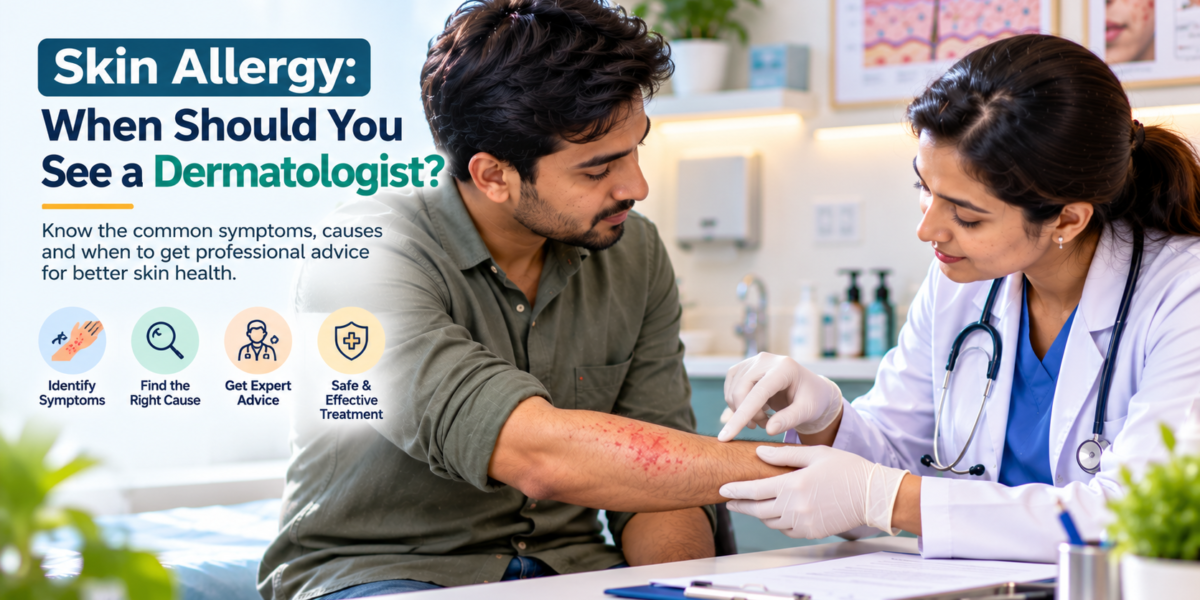
A skin allergy can begin with mild itching, redness, swelling, or a rash, but recurring symptoms can become uncomfortable and interfere with daily life. If you frequently experience skin irritation after using soaps, cosmetics, detergents, jewellery, or certain skincare products, it may be time to seek professional advice. Finding the right skin allergy treatment in Sonipat starts with understanding what may be triggering your symptoms and when medical evaluation is necessary.
Occasional skin irritation may settle after avoiding a trigger. However, persistent, spreading, painful, or repeatedly returning rashes deserve attention. A dermatologist can assess your symptoms, identify possible causes, and recommend treatment suited to your skin condition.
For people looking for a skin allergy doctor in Sonipat, this guide explains common warning signs, possible triggers, treatment options, and when to arrange a dermatology consultation.
What Is a Skin Allergy?
A skin allergy occurs when the immune system reacts to a substance it considers harmful, even when that substance is usually harmless to other people. Depending on the trigger, the reaction may cause itching, redness, swelling, bumps, or blisters.
Common allergic skin conditions include:
- Contact dermatitis: Skin inflammation caused by contact with an allergen, such as nickel in jewellery, fragrances, or certain cosmetic ingredients.
- Atopic dermatitis (eczema): A recurring inflammatory skin condition associated with dryness, itching, and a disrupted skin barrier.
- Hives (urticaria): Raised, itchy welts that may appear suddenly and change location over hours.
- Allergic reactions to topical products: Reactions to ingredients in creams, hair dyes, fragrances, or other products applied to the skin.
Not every itchy rash is an allergy. Fungal infections, scabies, bacterial infections, medication reactions, and other skin disorders can produce similar symptoms. Correct identification is important because the appropriate treatment depends on the cause.
What Are the Common Skin Rash Causes?
Understanding possible skin rash causes can help you notice patterns and explain your symptoms during a medical consultation.
Why does your skin itch after using soap or skincare products?
Fragrances, preservatives, cleansing agents, and other ingredients may irritate the skin or trigger allergic contact dermatitis. Symptoms may develop immediately or appear after repeated exposure.
Stop using a suspected new product if it causes a reaction. Avoid testing it again on irritated skin, especially if the reaction was significant.
Can heat, sweat, or weather trigger skin irritation?
Yes. Heat and sweating can worsen itching and some inflammatory skin conditions. Hot weather, friction, and frequent washing may also aggravate sensitive or dry skin. However, heat-related rashes are not always caused by an allergy.
Can jewellery or clothing cause a skin allergy?
Nickel in jewellery, metal fasteners, and some clothing accessories can trigger allergic contact dermatitis in susceptible individuals. Rubber components, dyes, and textile finishes may also cause reactions in some people.
A rash that repeatedly appears where a watch, necklace, belt buckle, or clothing item touches the skin may provide a useful clue.
Can medicines or infections cause an itchy rash?
Yes. Some medicines can cause skin eruptions, and infections can resemble allergic conditions. A new rash following a medication change should be assessed promptly, particularly if it is widespread or accompanied by fever, facial swelling, blistering, or skin pain.
Do not assume every new rash is an allergy or stop a prescribed medicine without appropriate medical advice, unless emergency services direct you otherwise.
When Should You See a Dermatologist for a Skin Allergy?
Knowing when to seek professional help can prevent unnecessary discomfort and reduce the risk of using an unsuitable treatment.
When should you consult a dermatologist for recurring itching?
Arrange a dermatology consultation if your itching or rash keeps returning, lasts longer than expected, disrupts sleep, or interferes with everyday activities. Repeated symptoms may indicate an ongoing trigger or a condition that requires specific treatment.
A dermatologist can examine the affected skin, review your history, and determine whether further testing is appropriate.
Should you see a skin specialist for a rash that does not improve?
Yes. Seek medical advice if a rash persists despite avoiding suspected triggers and using gentle skincare, or if it repeatedly worsens after temporary improvement.
A persistent rash may be associated with eczema, contact dermatitis, infection, psoriasis, or another condition. The treatment for one problem may not be suitable for another.
When is skin redness or swelling a warning sign?
Arrange prompt medical assessment if redness or swelling is spreading, the skin becomes increasingly painful or warm, pus develops, or you notice fever or other signs of infection.
A rapidly worsening rash, significant facial swelling, or a severe reaction after taking a medicine also requires urgent evaluation.
Seek emergency medical care immediately if a suspected allergic reaction causes difficulty breathing, throat tightness, trouble swallowing, faintness, or swelling of the tongue or throat. These may be signs of anaphylaxis. Do not wait for a routine dermatology appointment.
Can a dermatologist help with repeated hives?
Yes. Recurrent hives deserve evaluation, particularly if episodes are frequent, severe, unexplained, or accompanied by swelling. A clinician can assess potential triggers and other causes and advise on appropriate treatment.
Hives accompanied by breathing difficulty, throat or tongue swelling, or faintness are a medical emergency.
What Does Skin Allergy Treatment in Sonipat Involve?
Effective skin allergy treatment in Sonipat depends on the diagnosis, severity of symptoms, affected body area, and possible triggers. There is no single treatment that works for every itchy rash.
How does a dermatologist identify the cause of a skin allergy?
A dermatology consultation may involve:
- Medical history: When symptoms started, how often they occur, what makes them worse, and whether you have introduced new products or medicines.
- Skin examination: The doctor assesses the rash’s appearance, location, distribution, and severity.
- Trigger assessment: Your exposure to cosmetics, metals, detergents, workplace substances, foods, or medicines may be reviewed where relevant.
- Further testing when indicated: Patch testing may help investigate allergic contact dermatitis. Other tests may be considered if the examination suggests a different diagnosis.
Not everyone needs allergy testing. Testing is selected according to the suspected condition and clinical findings.
What itchy skin treatment may a dermatologist recommend?
The recommended itchy skin treatment depends on what is causing the symptoms. Options may include:
- Trigger avoidance: Identifying and avoiding a confirmed or strongly suspected allergen.
- Moisturisers and gentle skincare: Supporting the skin barrier and reducing dryness.
- Topical medicines: A clinician may prescribe an appropriate corticosteroid or another treatment for certain inflammatory skin conditions.
- Antihistamines: These may help some forms of hives or allergy-related itching when appropriate.
- Condition-specific treatment: Infections and other non-allergic skin disorders require different approaches.
Do not apply steroid creams indiscriminately, especially to the face, skin folds, or suspected fungal infections. Prolonged or inappropriate use can cause harm or mask the underlying condition. A pharmacist or doctor can help you choose suitable treatment based on your circumstances.
What is the right skin irritation treatment for sensitive skin?
For mild irritation, practical steps may include:
- Washing with lukewarm water and a mild, fragrance-free cleanser.
- Applying a simple, fragrance-free moisturiser.
- Using a cool compress to ease itching.
- Wearing loose, breathable clothing.
- Avoiding scratching and stopping products that appear to worsen symptoms.
These steps may provide relief but do not replace an examination when symptoms persist, recur, or worsen. Avoid applying home remedies or multiple medicated creams to an unexplained rash, as these may irritate the skin further.
How to Find a Skin Allergy Doctor in Sonipat
Choosing a suitable skin allergy doctor in Sonipat can help you obtain an accurate diagnosis and a treatment plan based on your symptoms.
When considering a dermatologist or skin specialist, look for:
- Appropriate dermatology qualifications and registration.
- Experience evaluating recurring rashes, eczema, hives, and contact dermatitis.
- Clear explanations of the diagnosis and treatment options.
- Guidance on medicine use, possible side effects, and follow-up.
- A willingness to investigate persistent symptoms rather than repeatedly treating the rash without reassessing the cause.
If you are searching for a skin allergy doctor near Model Town Sonipat, verify the clinic’s current location, availability, and services before travelling.
Is a dermatology consultation necessary for recurring skin allergies?
A dermatology consultation in Sonipat is worth considering when symptoms repeatedly return, over-the-counter treatments do not help, or the diagnosis is uncertain. Early evaluation can help clarify whether you are dealing with an allergy, eczema, an infection, or another skin condition.
Bring a list of your medicines and skincare products. Photos of the rash during flare-ups can also help if the symptoms change before your appointment.
Skin Allergy Care at Aneja Hospital
People exploring Aneja Hospital dermatology services can contact Aneja Hospital through its official website to confirm current dermatology availability, appointment arrangements, and the services offered.
Website: https://anejahospitals.com
If you are considering Aneja Hospital for skin allergy care, ask whether the appropriate specialist is available to assess your particular symptoms. Confirm consultation timings and any required preparations directly with the hospital.
The goal of a consultation is to understand the cause of the rash, identify suitable treatment options, and establish a practical plan for reducing future flare-ups. The appropriate next step depends on your symptoms and clinical assessment.
How Can You Reduce the Risk of Recurring Skin Allergies?
Although not every skin condition can be prevented, a few habits may help reduce flare-ups:
- Identify patterns: Keep a simple diary of symptoms, products used, and possible exposures.
- Choose gentle products: Prefer fragrance-free cleansers and moisturisers if your skin is sensitive.
- Avoid known triggers: Follow medical advice about confirmed allergens.
- Protect your skin barrier: Moisturise regularly and avoid excessive scrubbing or very hot showers.
- Use medicines correctly: Follow the prescribed instructions and ask before extending treatment.
- Seek reassessment when needed: A rash that changes, spreads, or repeatedly returns may need a revised diagnosis or treatment plan.
Avoid restrictive diets or broad allergy panels without medical guidance. Food is not the cause of every skin rash, and unnecessary testing or dietary restriction can create avoidable problems.
Frequently Asked Questions About Skin Allergy Treatment in Sonipat
When should I see a dermatologist for a skin allergy?
Consult a dermatologist if your rash keeps returning, persists, spreads, affects sleep, or does not improve with appropriate basic care. Seek urgent help for severe symptoms and emergency care for breathing difficulty or throat or tongue swelling.
Who is the right skin allergy doctor in Sonipat?
Look for a qualified, appropriately registered dermatologist with experience assessing recurring skin rashes and allergic skin conditions. Confirm the doctor’s credentials, availability, and consultation details before booking.
Can skin allergies go away on their own?
Some mild reactions improve after the trigger is removed, but recurring or persistent symptoms may need medical evaluation. Whether a condition resolves depends on its cause and severity.
What is the best itchy skin treatment?
There is no single best treatment for all itching. Moisturisers may help dry skin, while eczema, hives, infections, and contact dermatitis may require different approaches. Correct diagnosis is important before choosing medication.
Can I use a steroid cream for a skin allergy?
Steroid creams can help certain inflammatory skin conditions, but the correct strength, duration, and application site matter. They may worsen or mask some infections. Use them under appropriate medical guidance, particularly on the face or sensitive areas.
Does every skin allergy require an allergy test?
No. Many skin conditions can be assessed through medical history and examination. Patch testing or other investigations may be recommended when the suspected diagnosis and clinical findings justify them.
Where can I find a skin specialist in Sonipat near Model Town?
Search for a qualified dermatologist serving the Model Town area and verify the current address, credentials, and appointment availability. You can also contact Aneja Hospital through its official website to ask about relevant specialist services.
When is a skin rash an emergency?
A rash associated with difficulty breathing, throat tightness, tongue swelling, faintness, or rapidly developing severe symptoms requires emergency medical care. A painful, blistering, or peeling rash with fever or sores affecting the mouth or eyes also warrants urgent medical assessment.
Conclusion
Recurring itching, redness, hives, or unexplained rashes should not be ignored when they continue to return or interfere with everyday life. Identifying the underlying cause is the first step toward appropriate treatment and better symptom control.
If you need skin allergy treatment in Sonipat, consider consulting a qualified dermatologist when symptoms persist, worsen, or repeatedly return. For local service information, visit Aneja Hospital and confirm current dermatology availability directly.
Medical disclaimer: This article is for general educational purposes and does not replace professional diagnosis or treatment. Individual symptoms require individual assessment. Seek emergency care for signs of a severe allergic reaction.